HALEH HOUSE
Project: HALEH HOUSE
Client: Kamran Rad
Date: 2025
Location: Velenjak, Tehran, Iran
Area: 120 sqm
Scope Of Work: Interior Design & Renovation
Services: Design, Renovation, Execution
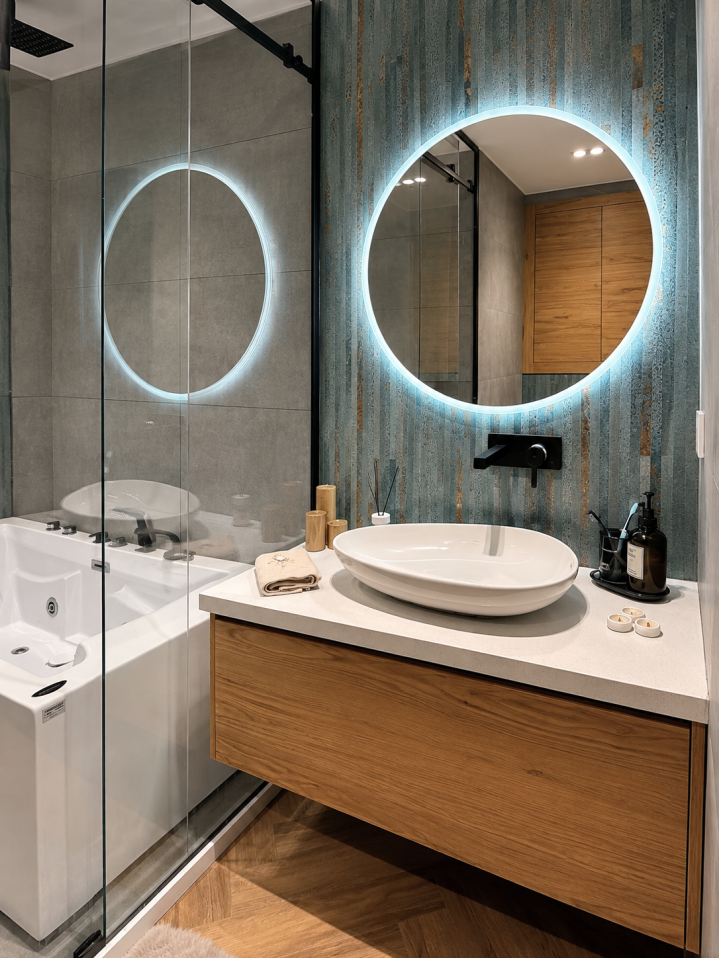
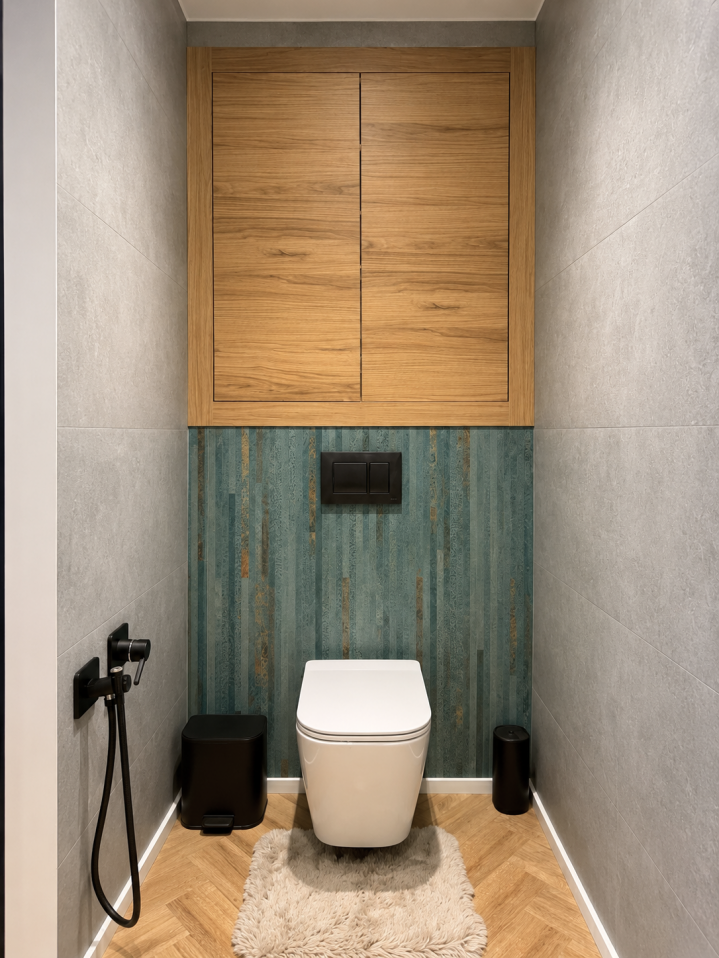
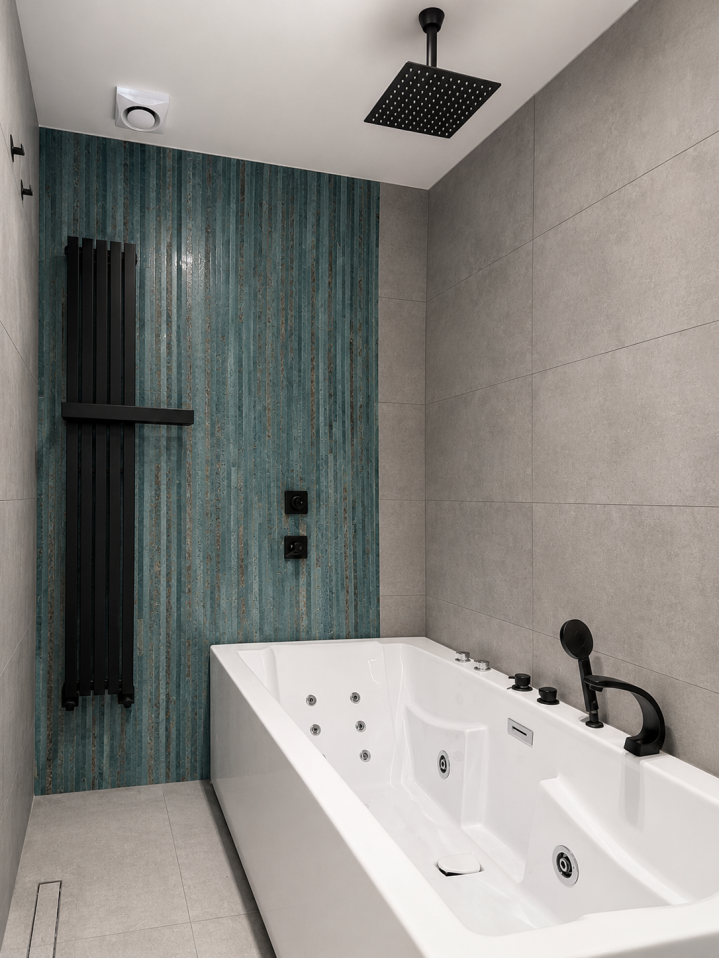
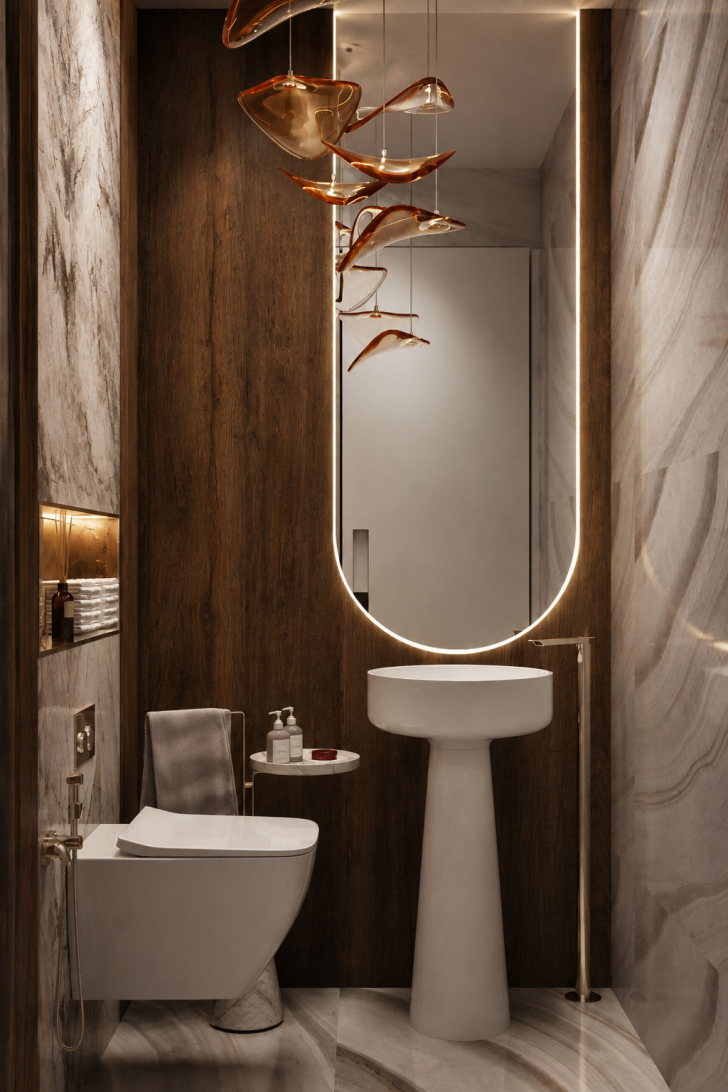
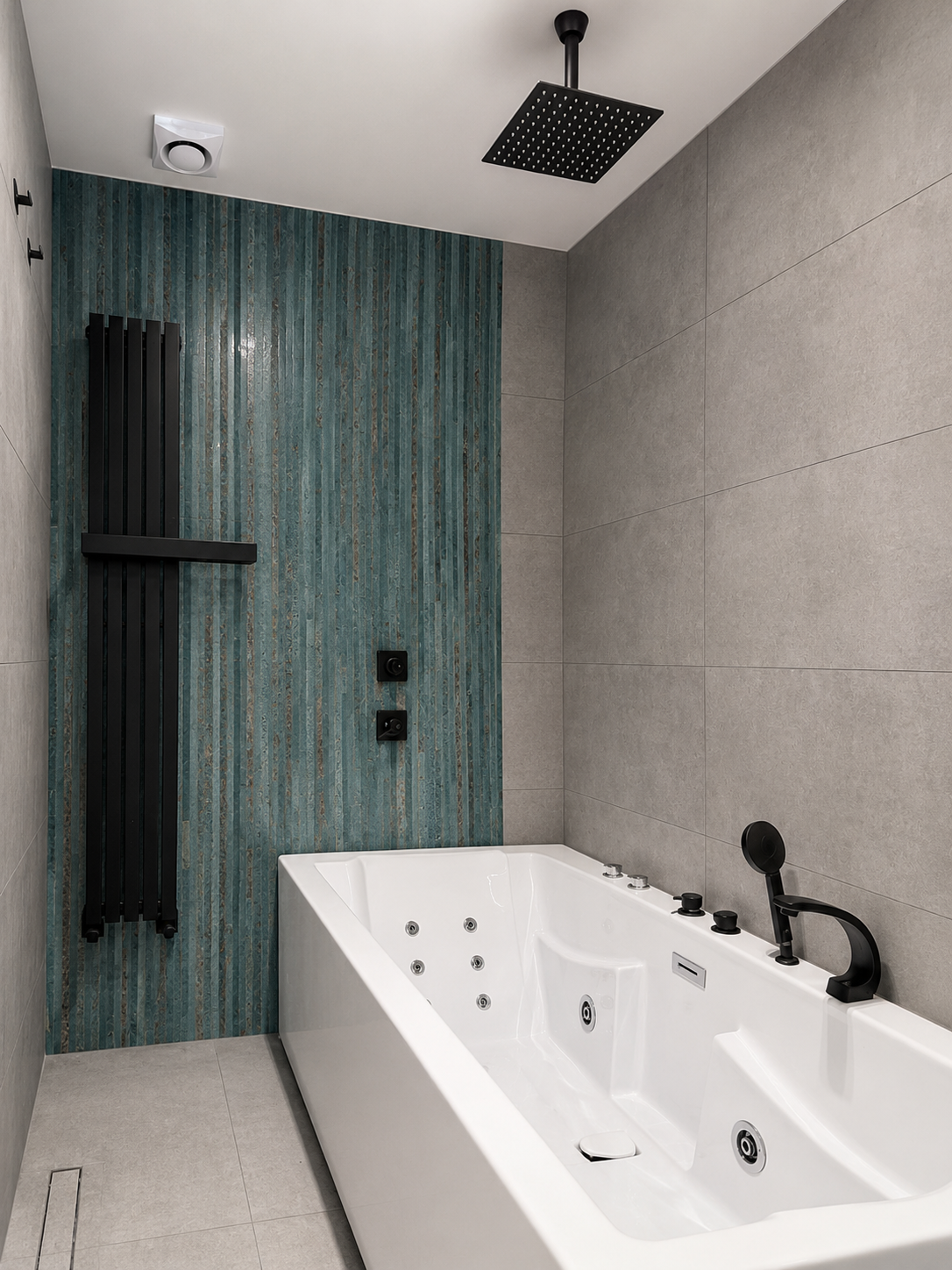
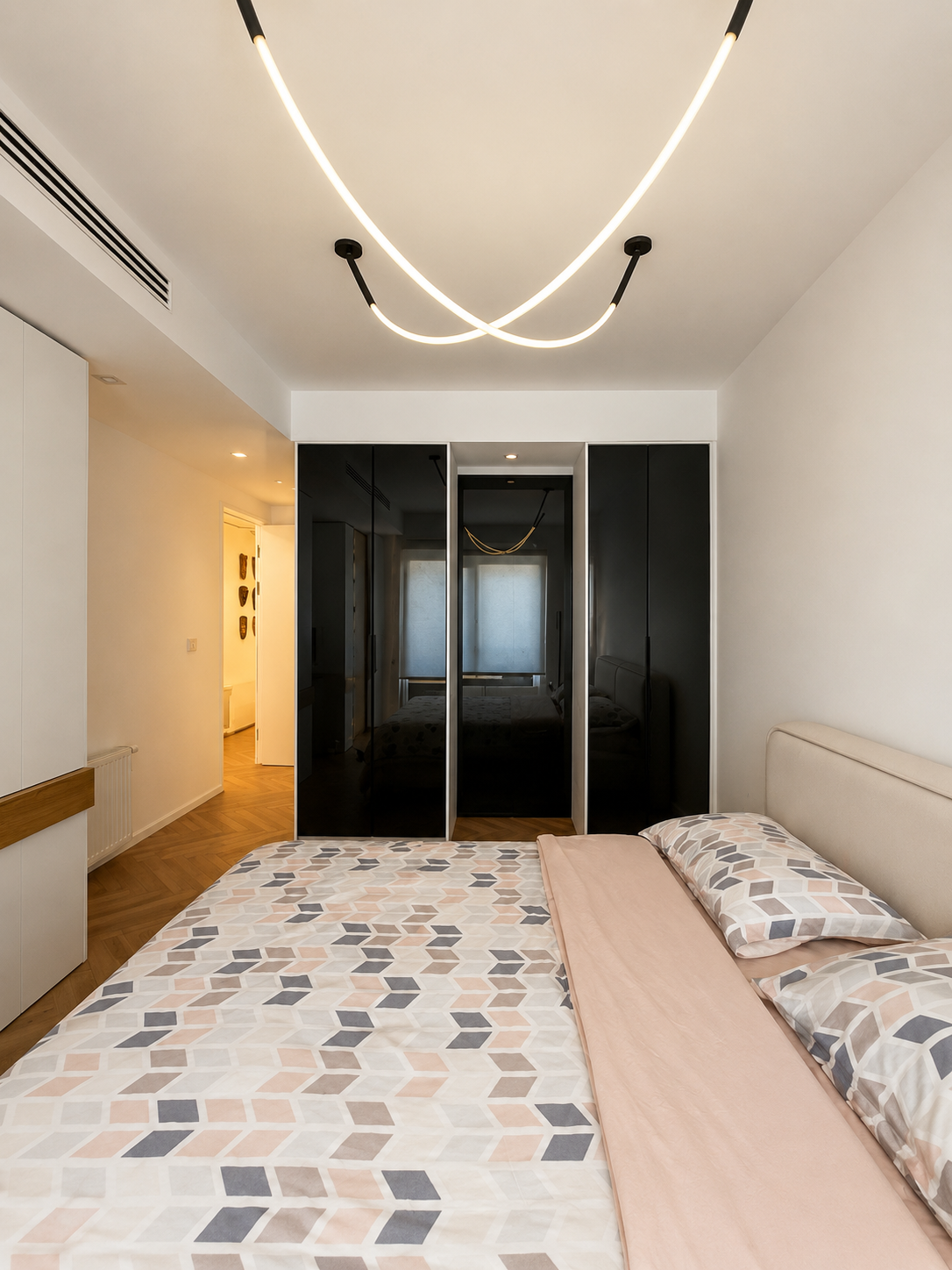
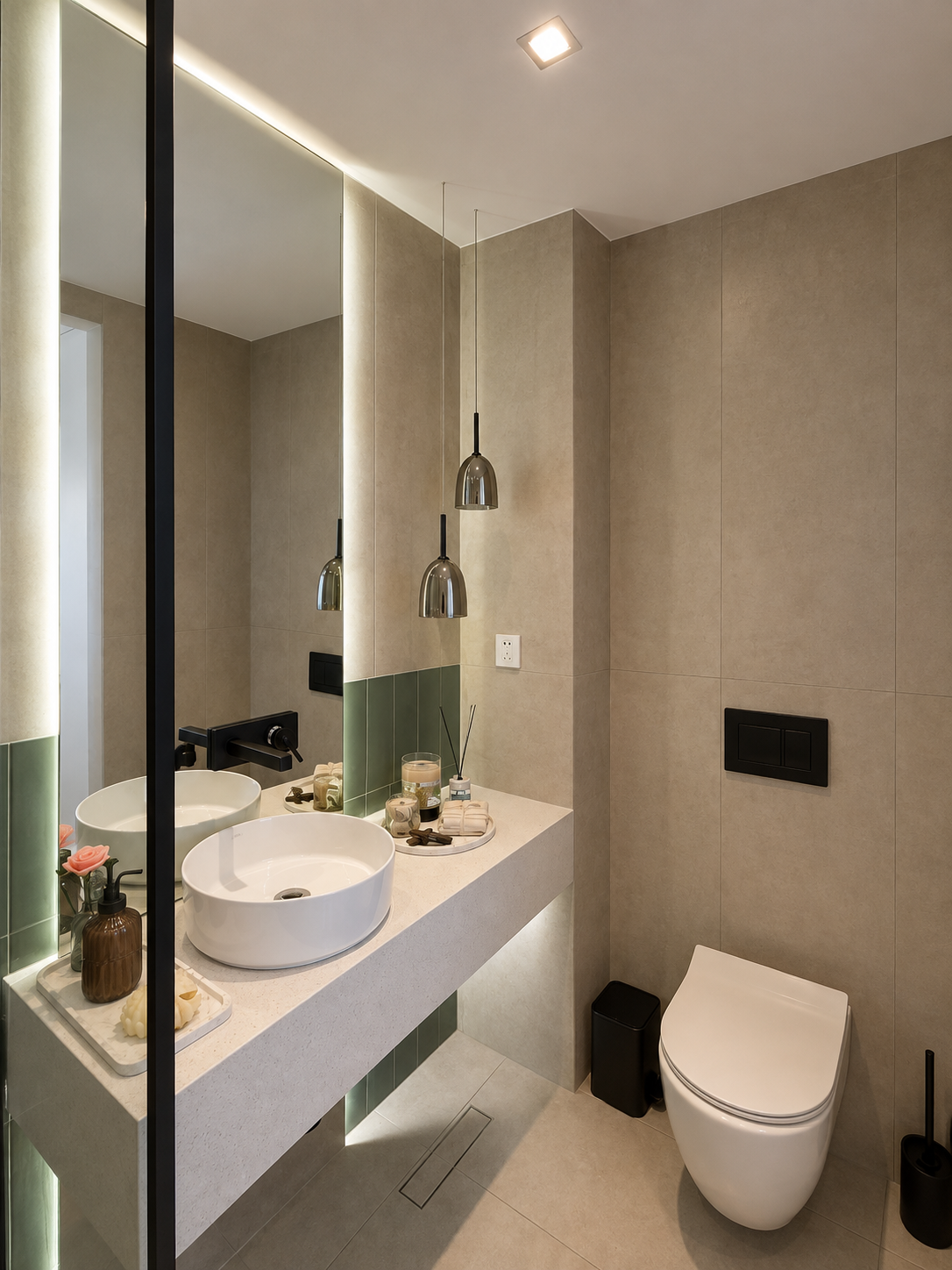
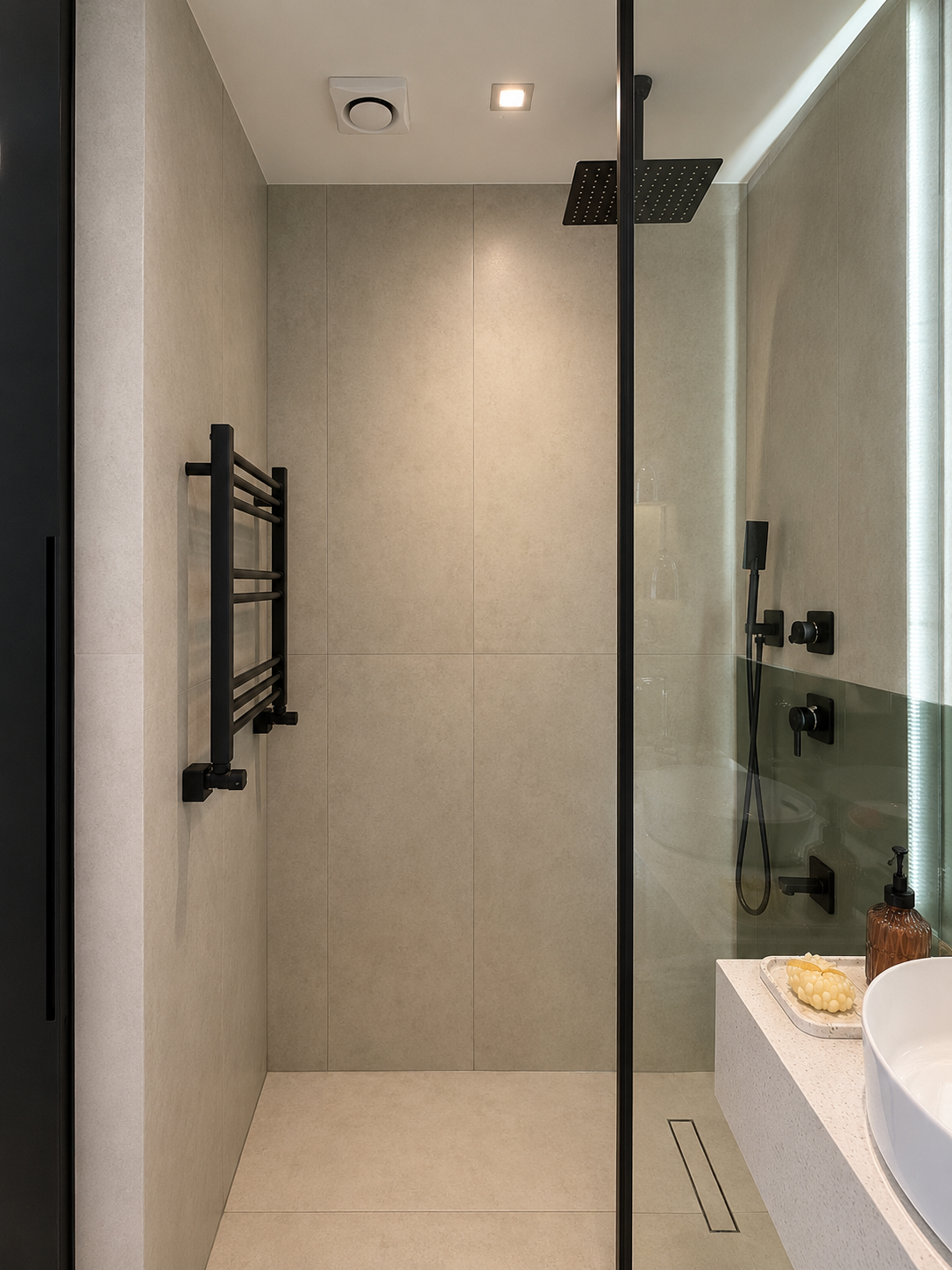
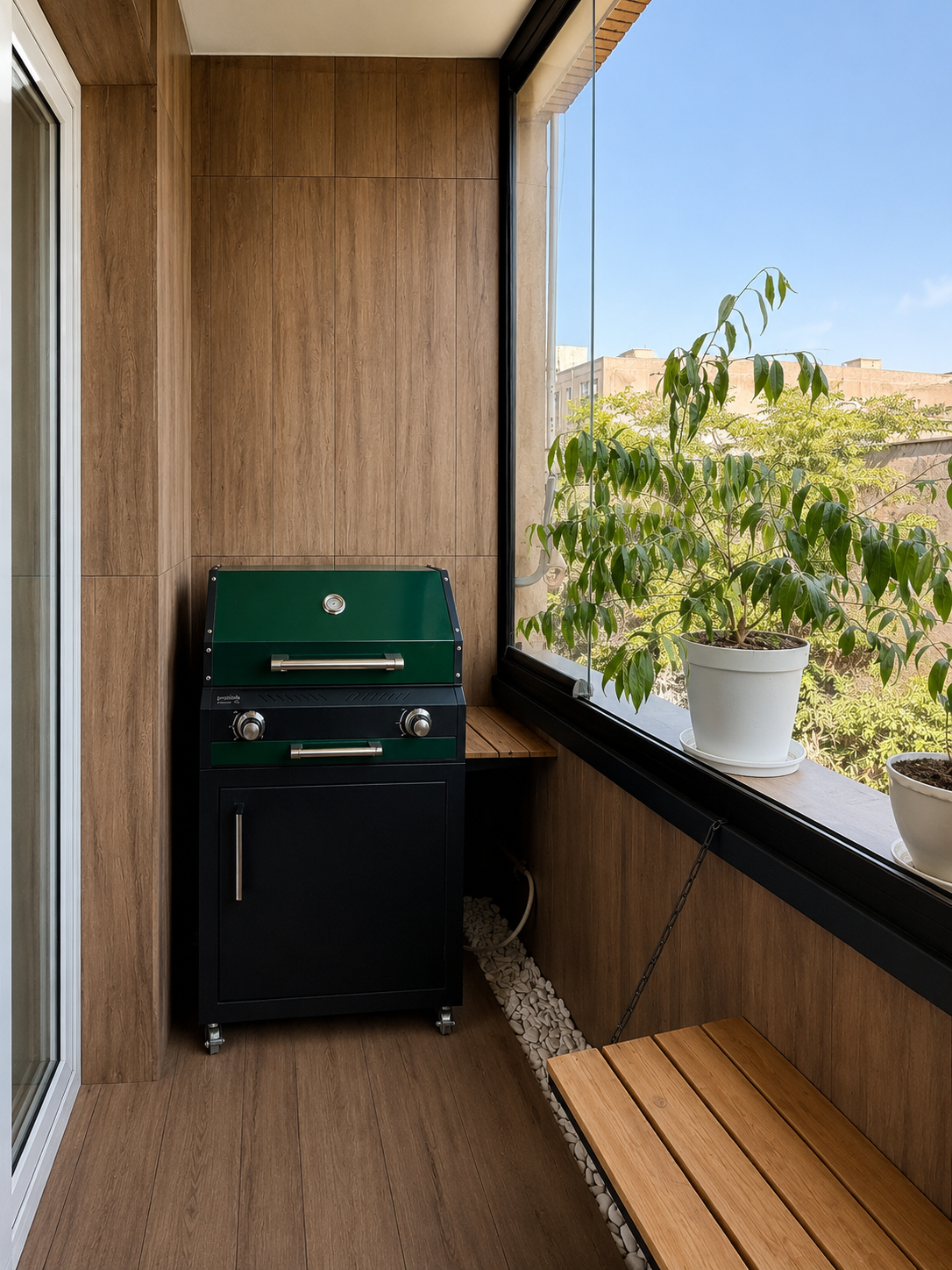
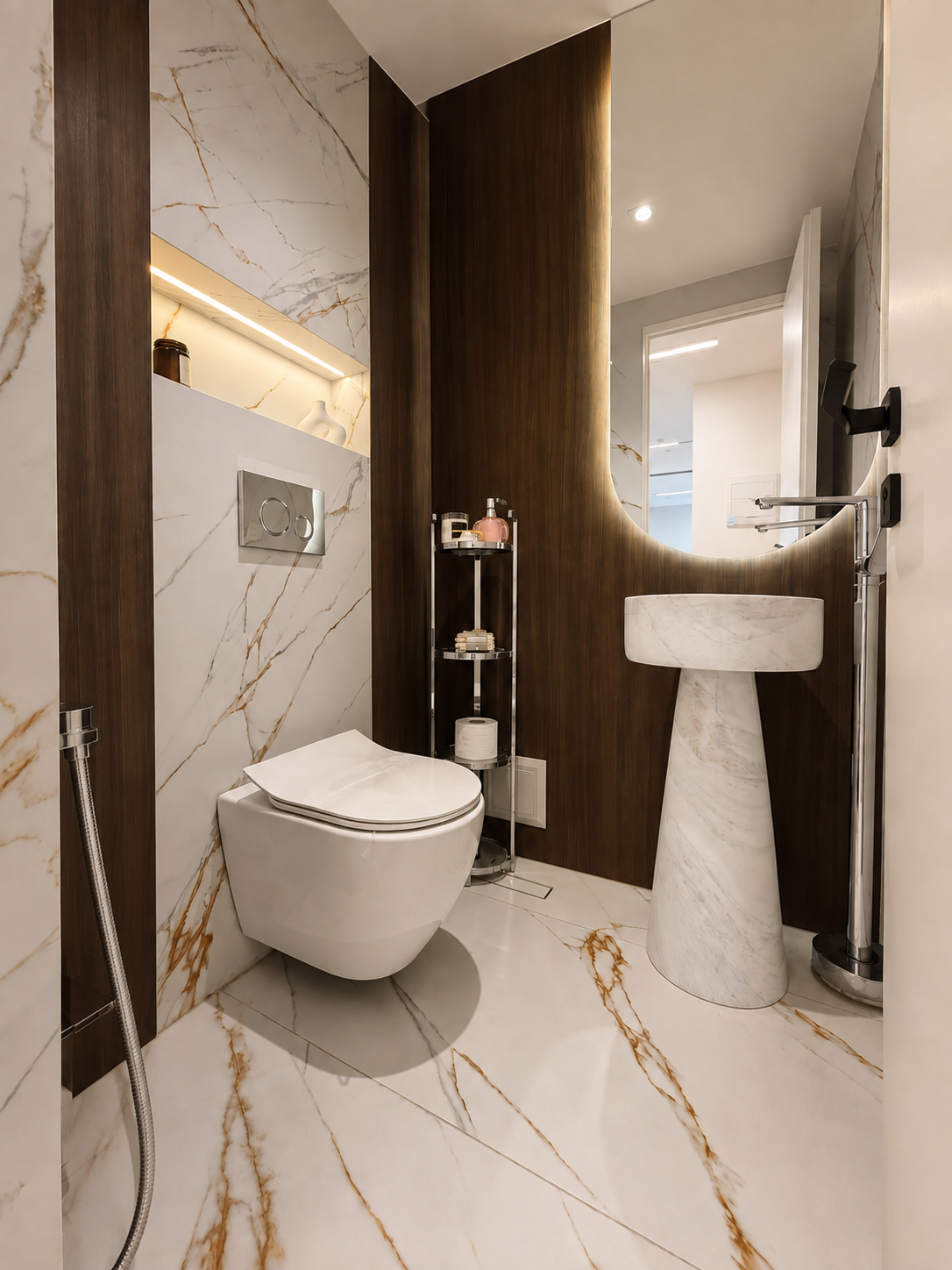
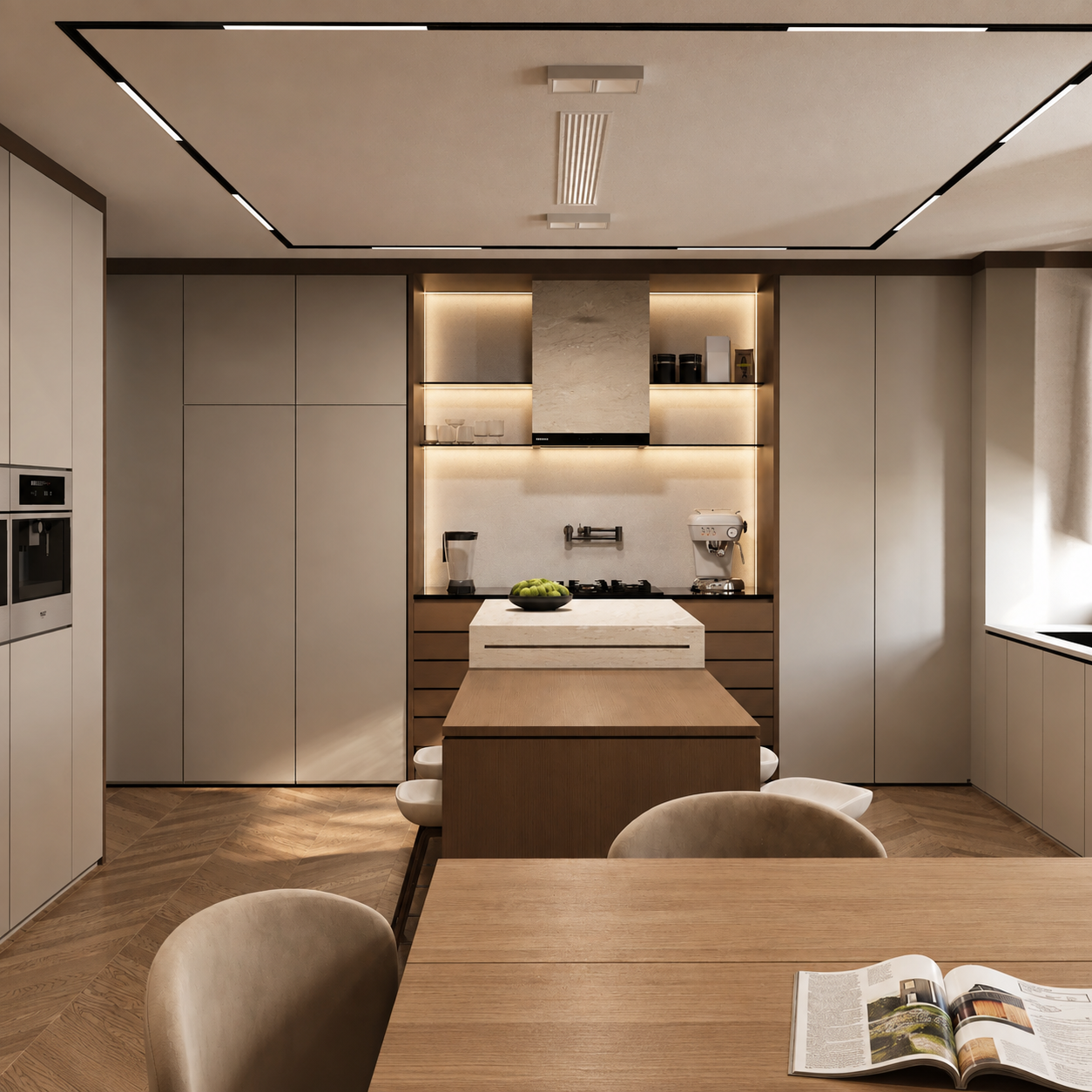
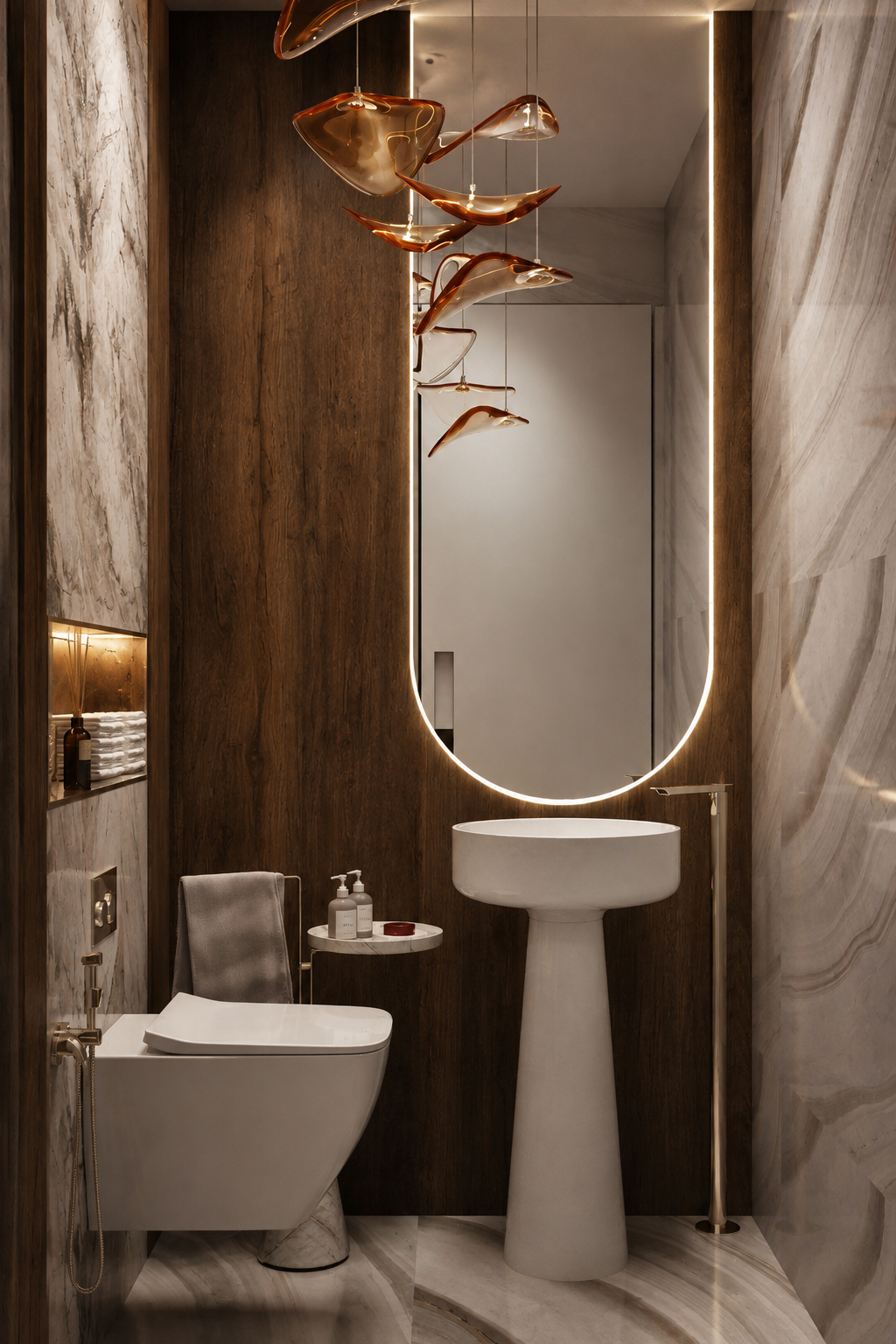
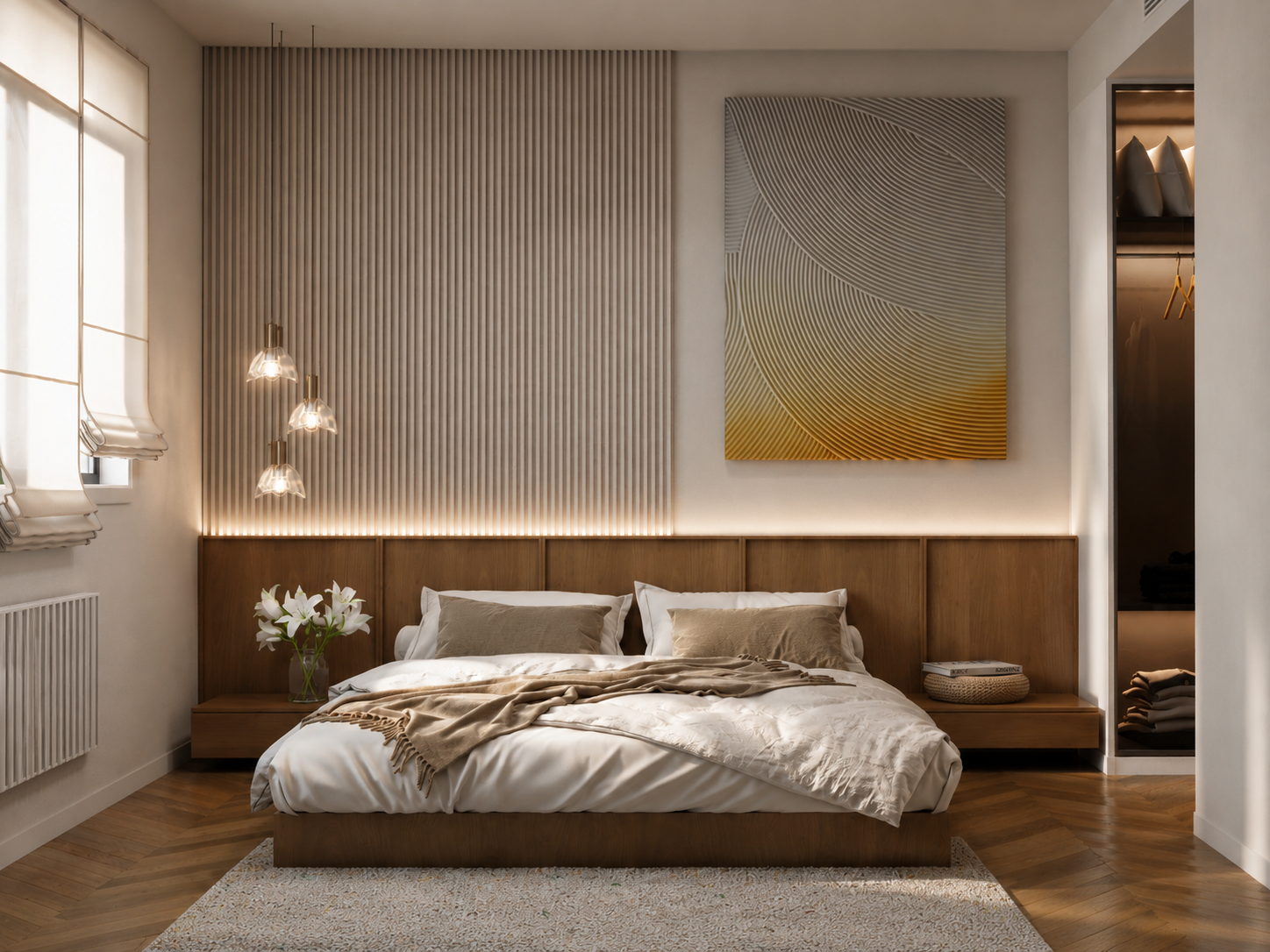
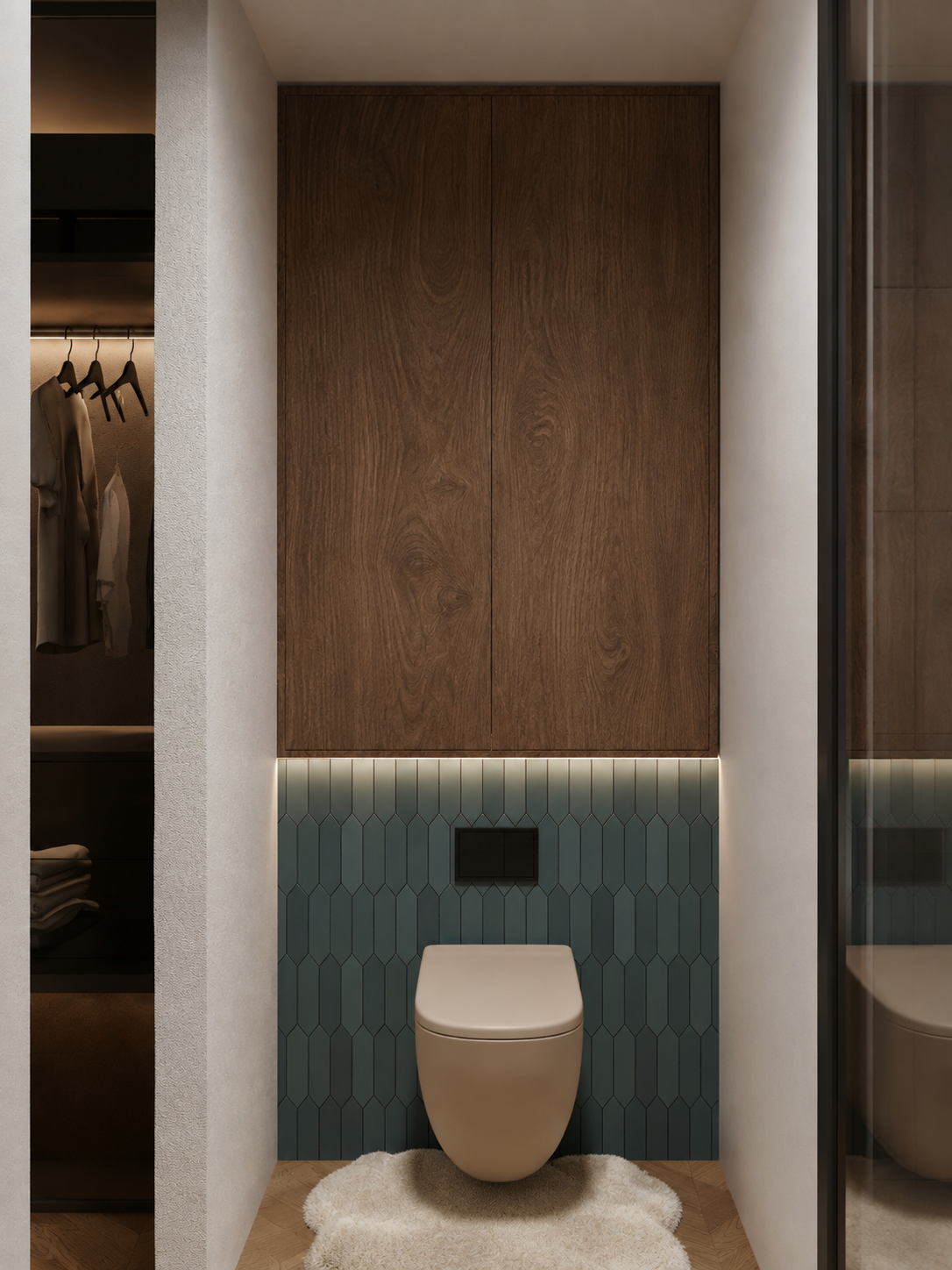
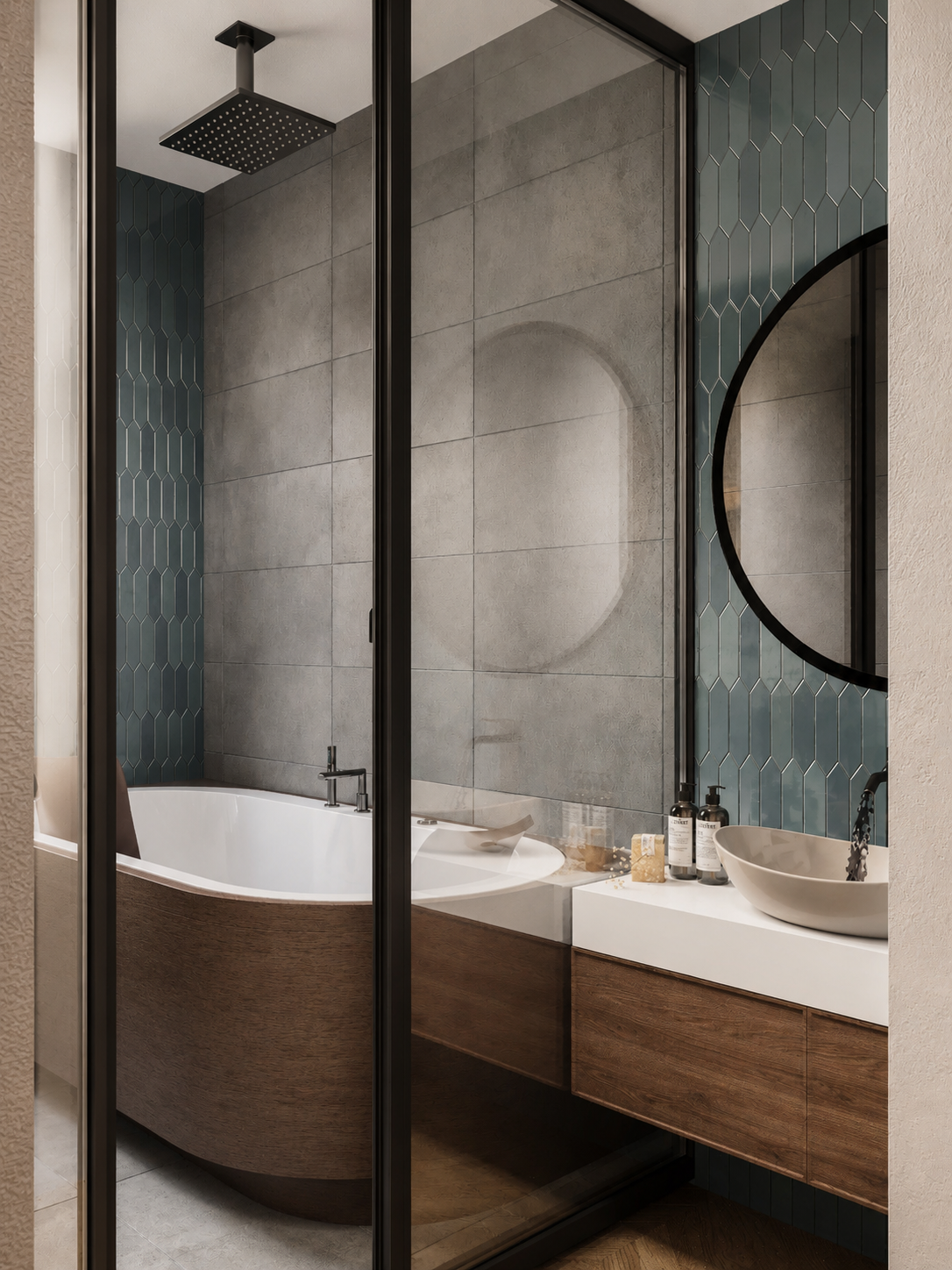
Materials: Stone, Marble Sheet, Drywall (Knauf), Wood
Design Approach
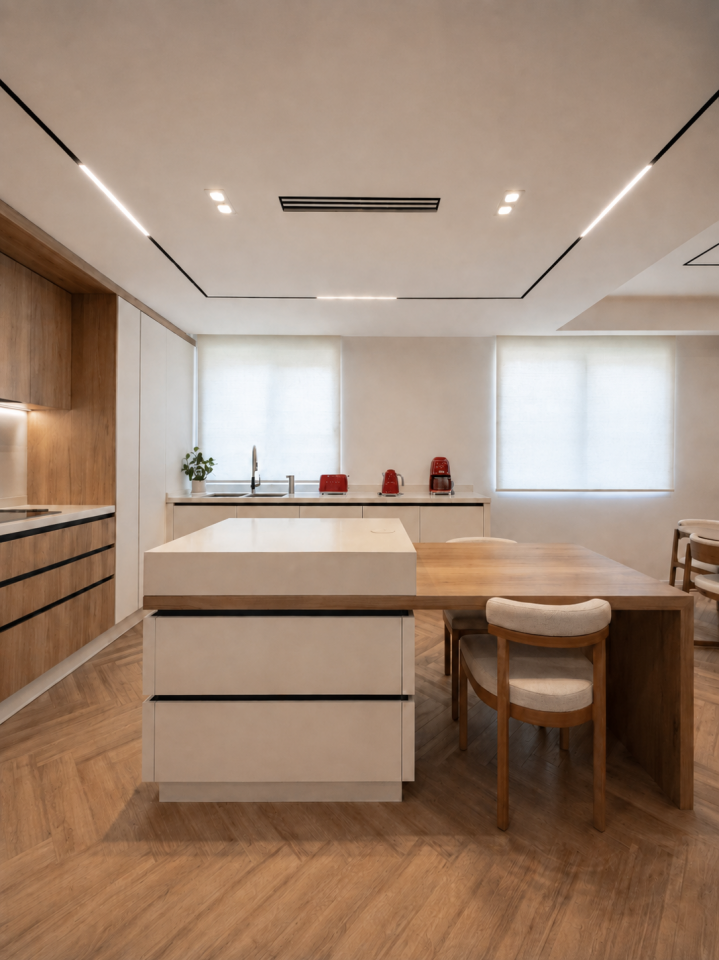
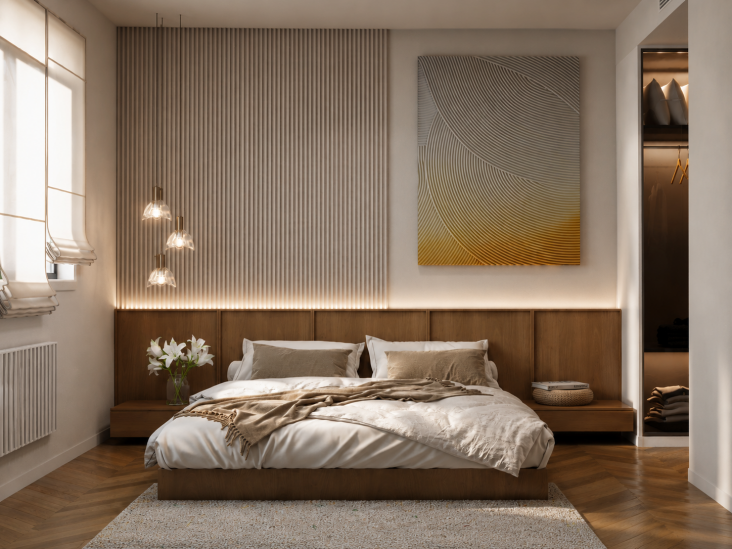
This project involved the renovation of a 50-year-old house, with the aim of redefining both its spatial quality and functional performance. The existing structure had to respond to a new pattern of living and a different set of requirements from its occupants.
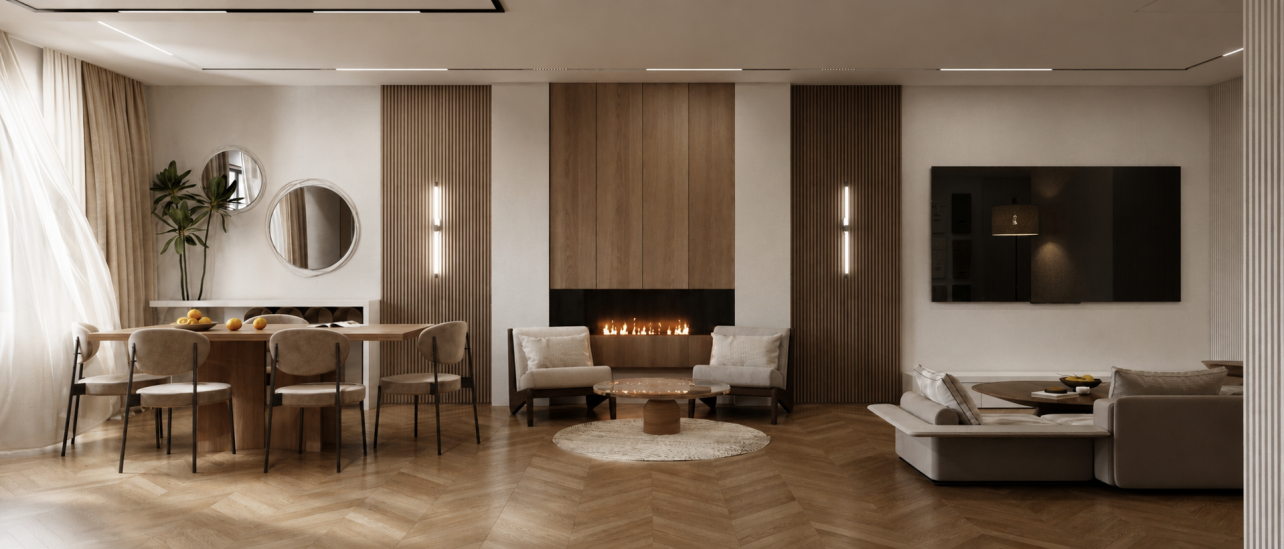
The primary challenge was not simply to update the existing envelope, but to reconcile two distinct approaches to residential living. One perspective was rooted in warmth, natural materials, texture, and a more rustic character, while the other favored simplicity, clarity, and a contemporary minimalist language.
Rather than directly combining these two styles, our approach was to establish an independent architectural language capable of accommodating both.
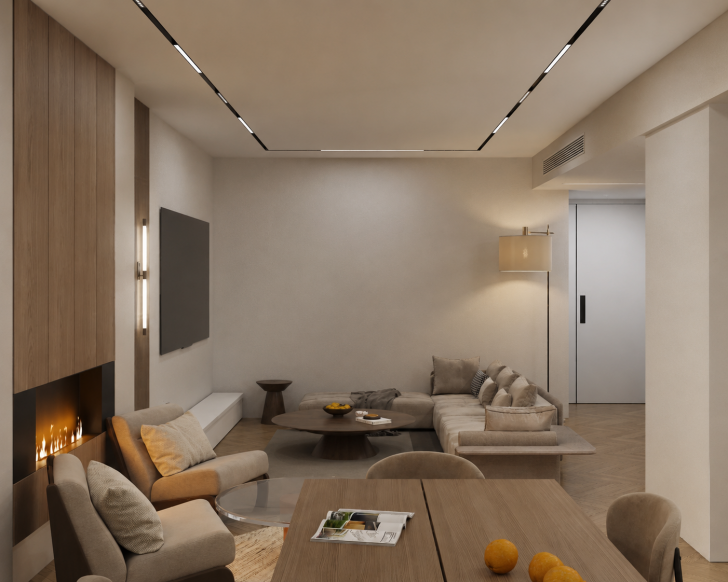
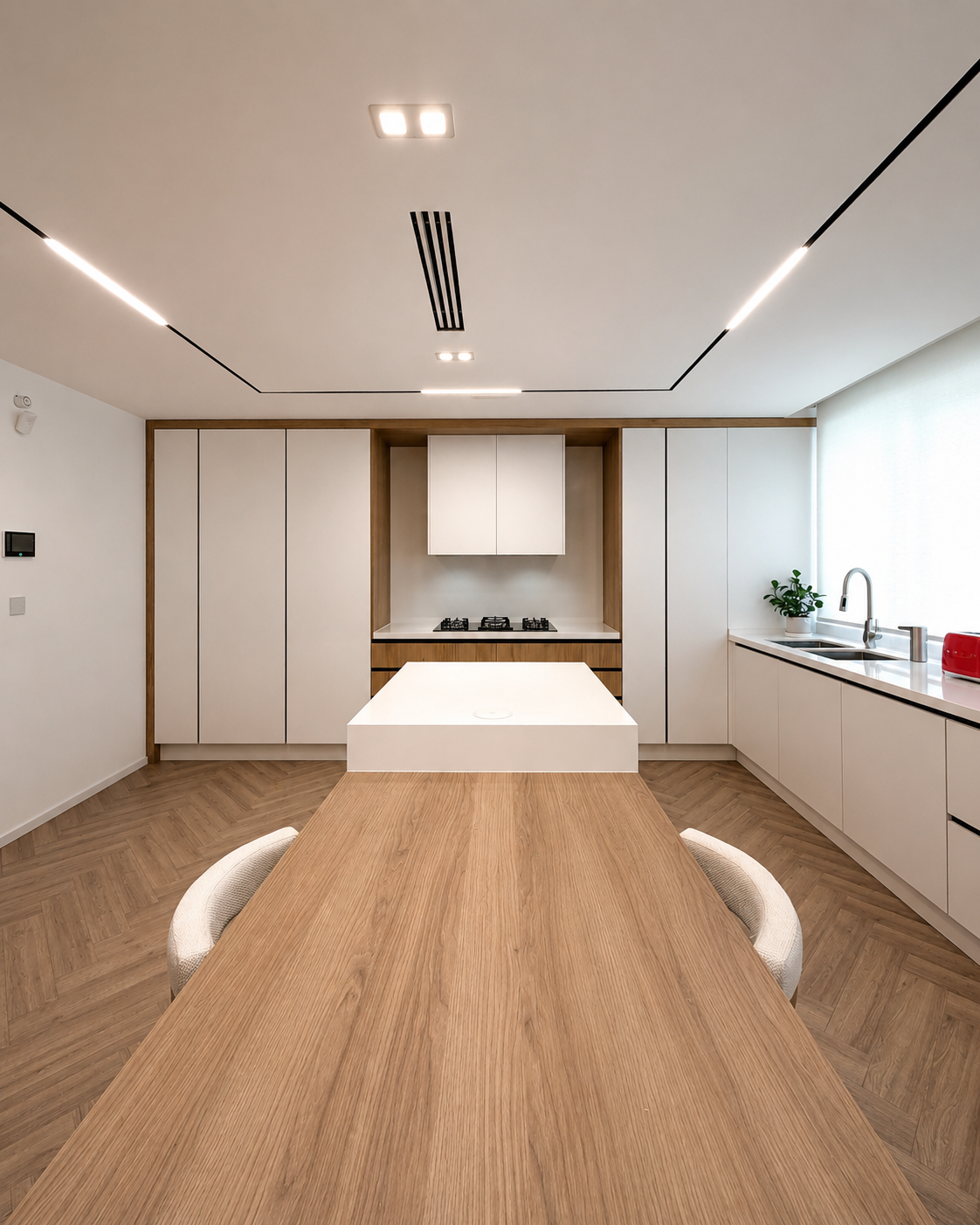
The design process began with the redefinition of the spatial organization, prior to the selection of materials or visual elements. The existing plan no longer responded adequately to the occupants’ lifestyle, requiring a reconsideration of spatial relationships, circulation, and the overall quality of use.
At this stage, our priority was to create a clear spatial structure that responded to the way the house would actually be lived in. Design decisions therefore began with function and gradually developed into the visual and experiential qualities of the space.
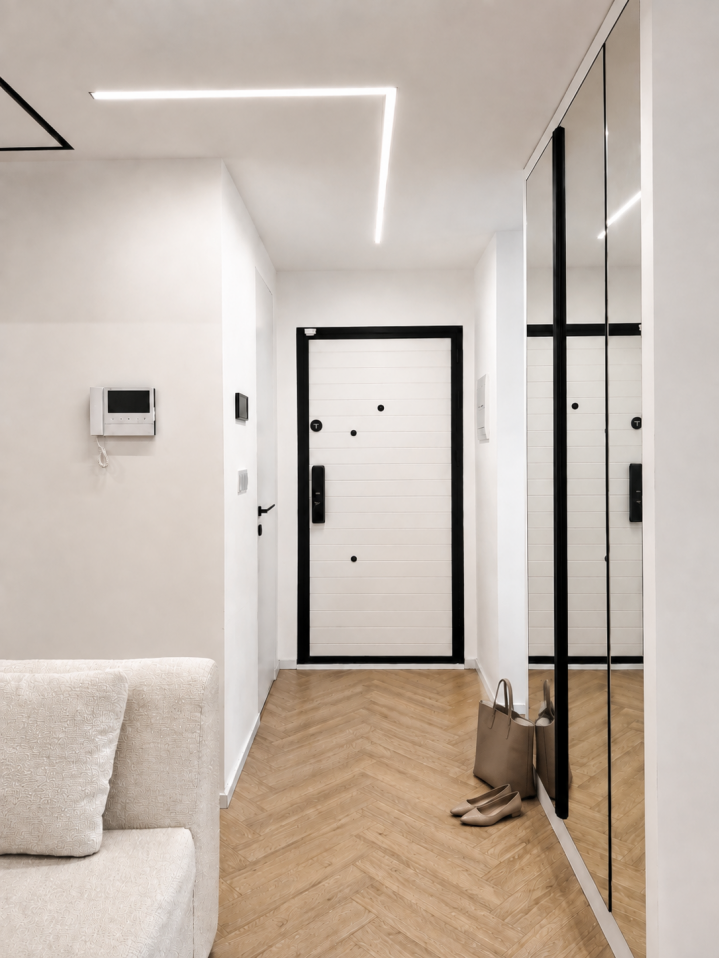
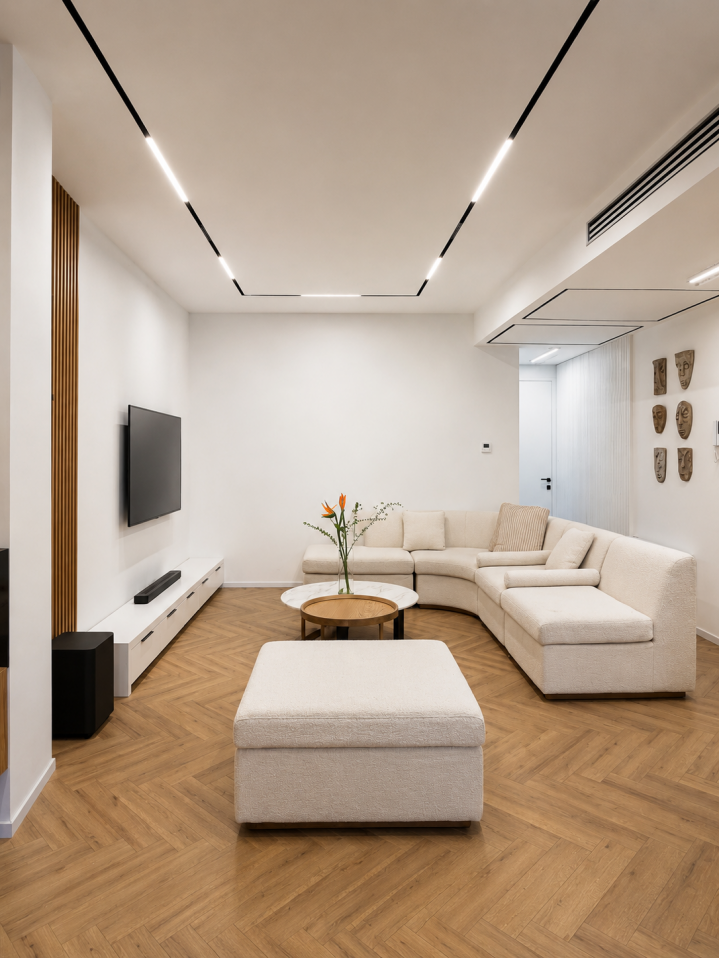
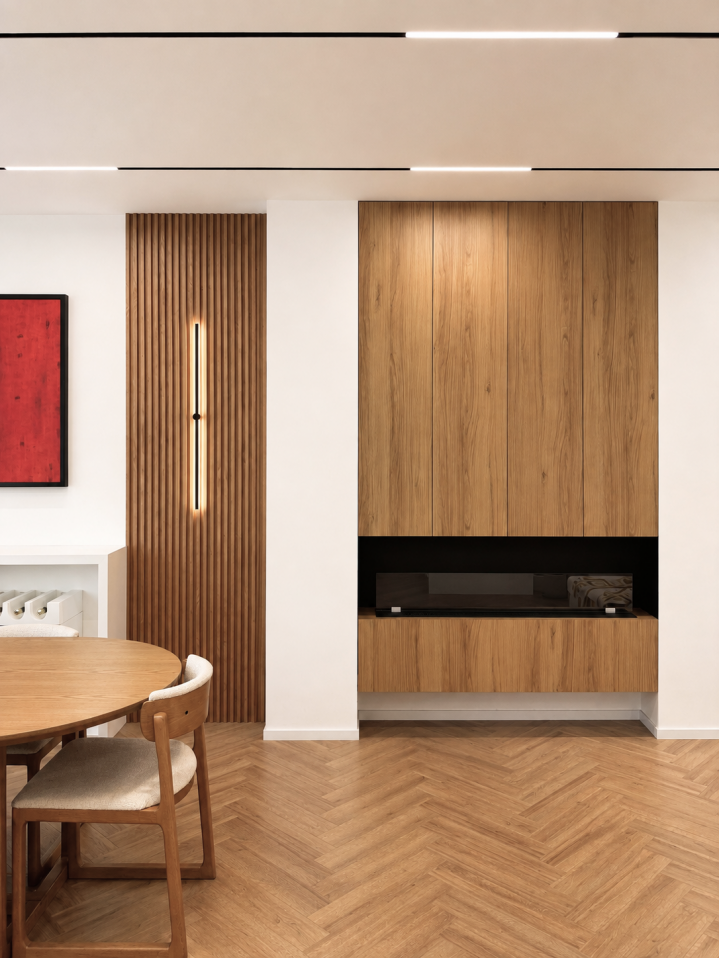
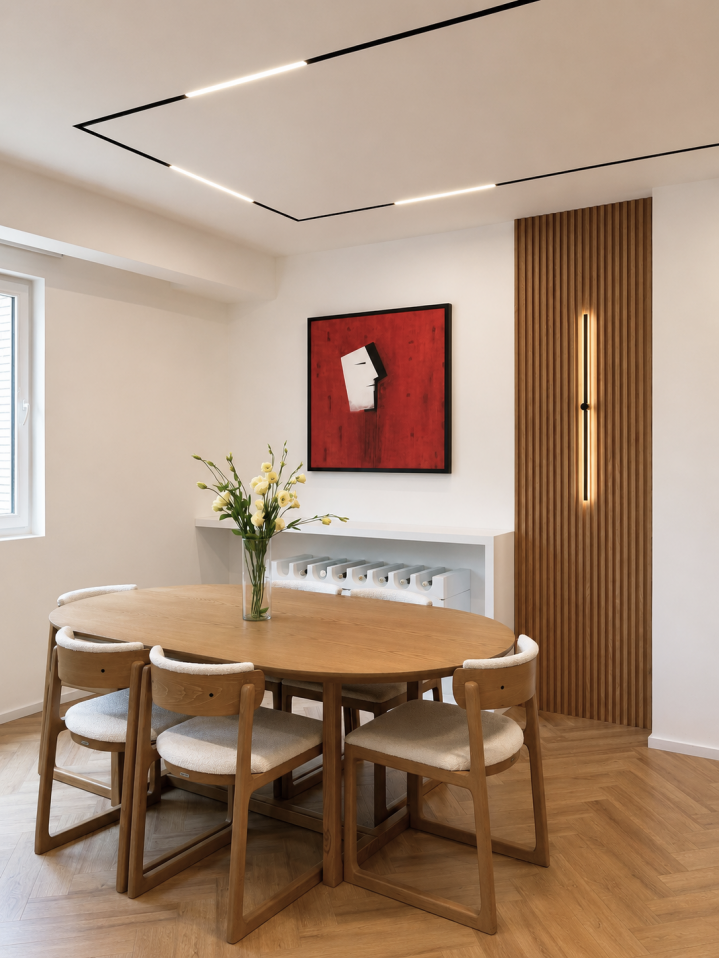
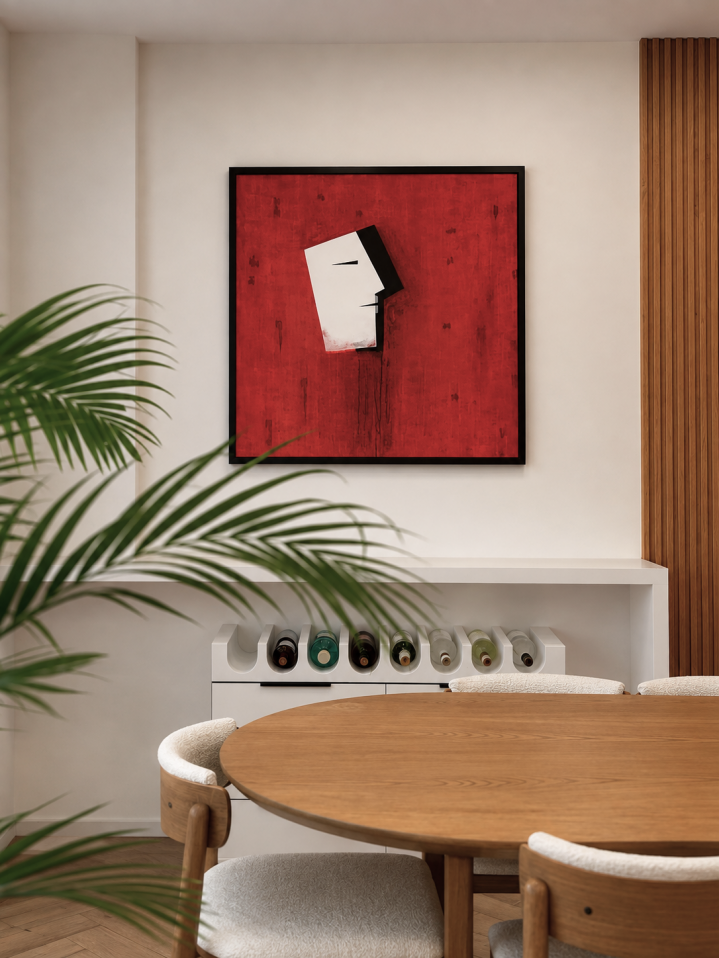
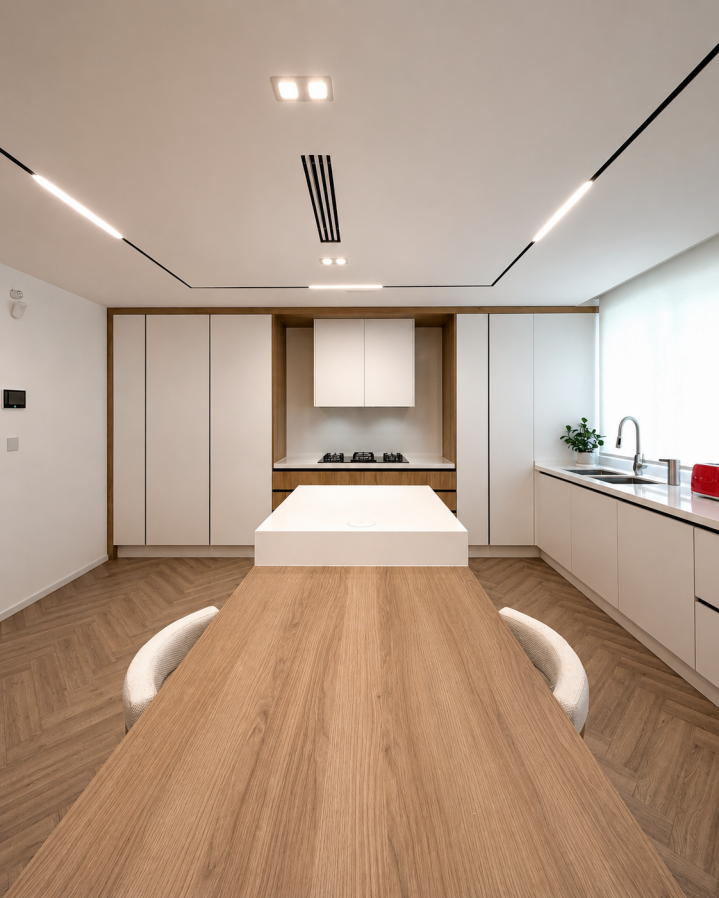
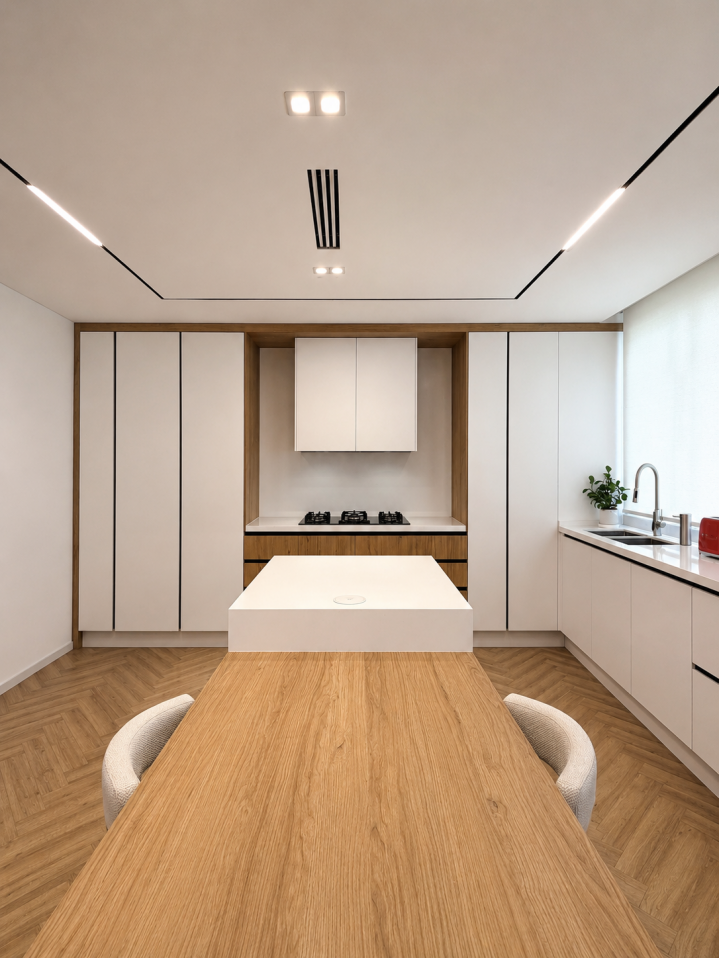
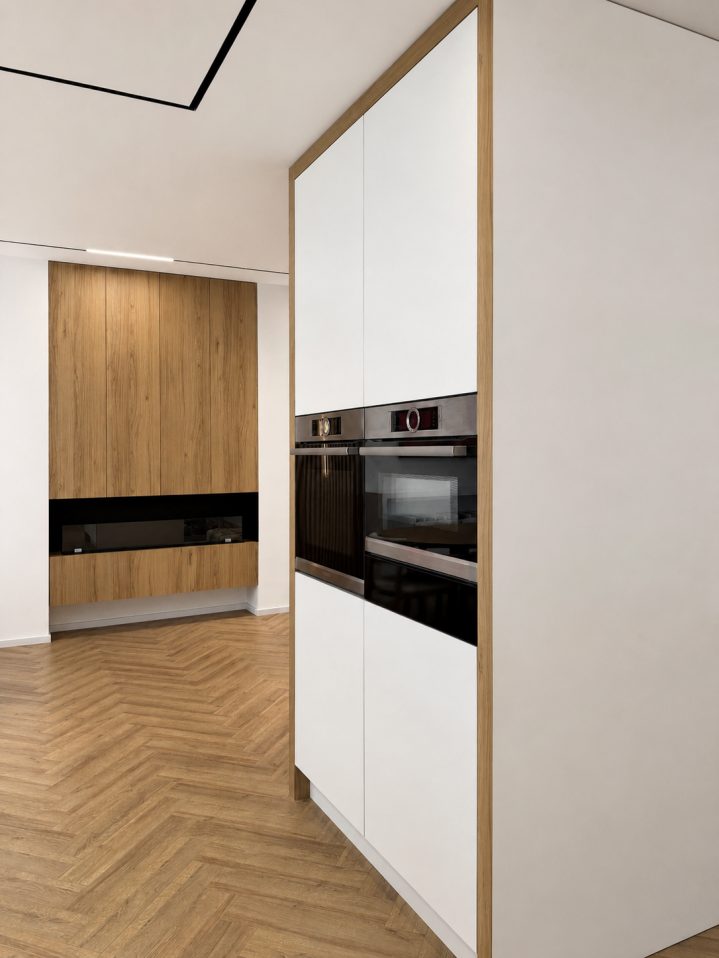
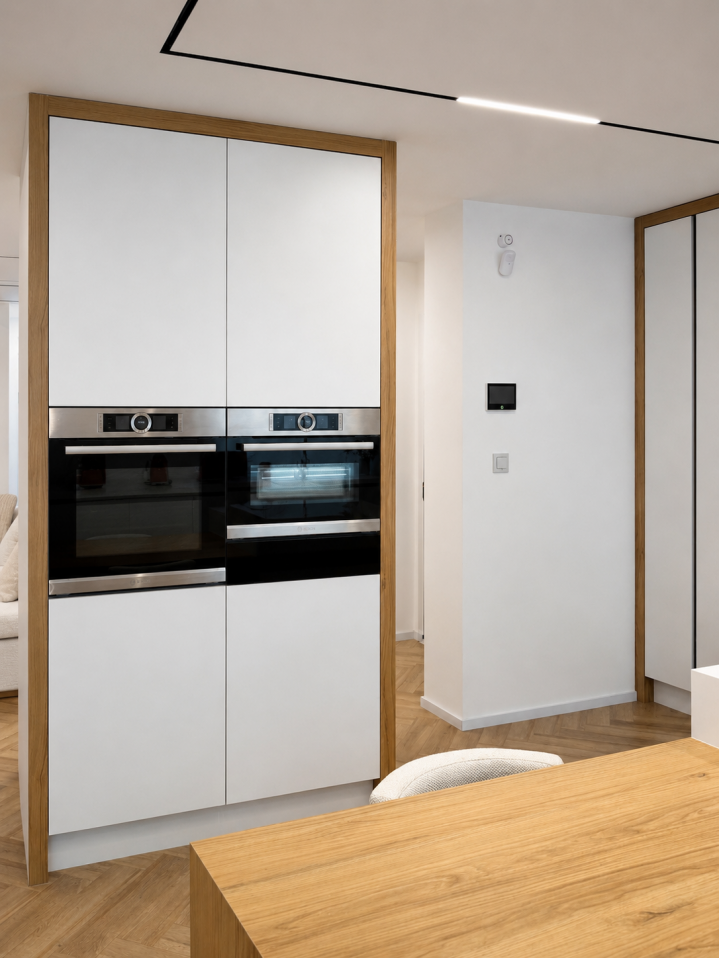
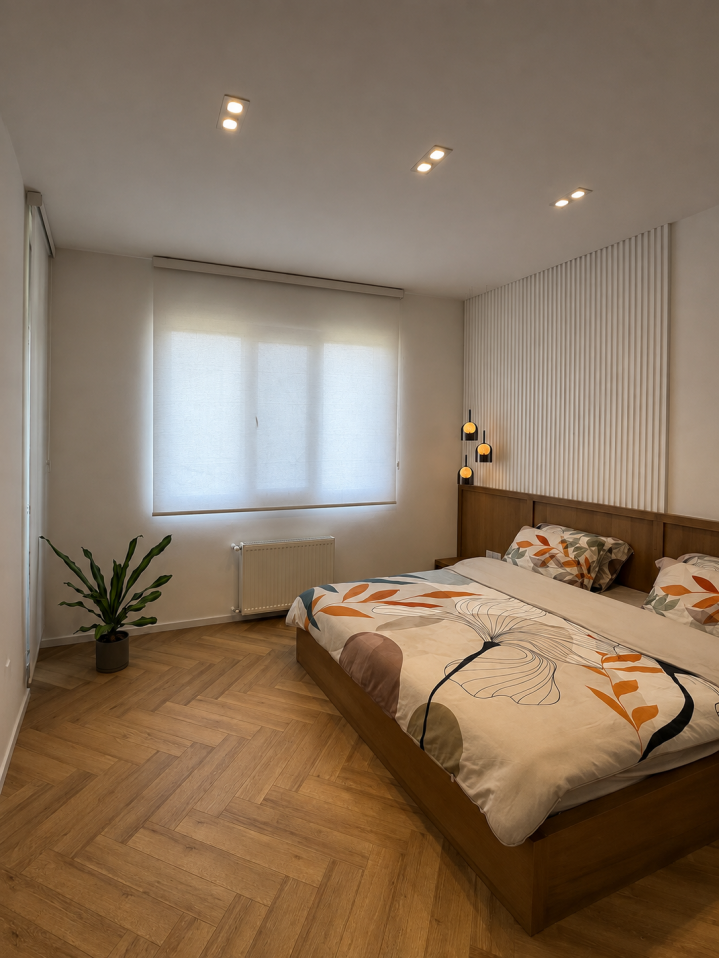
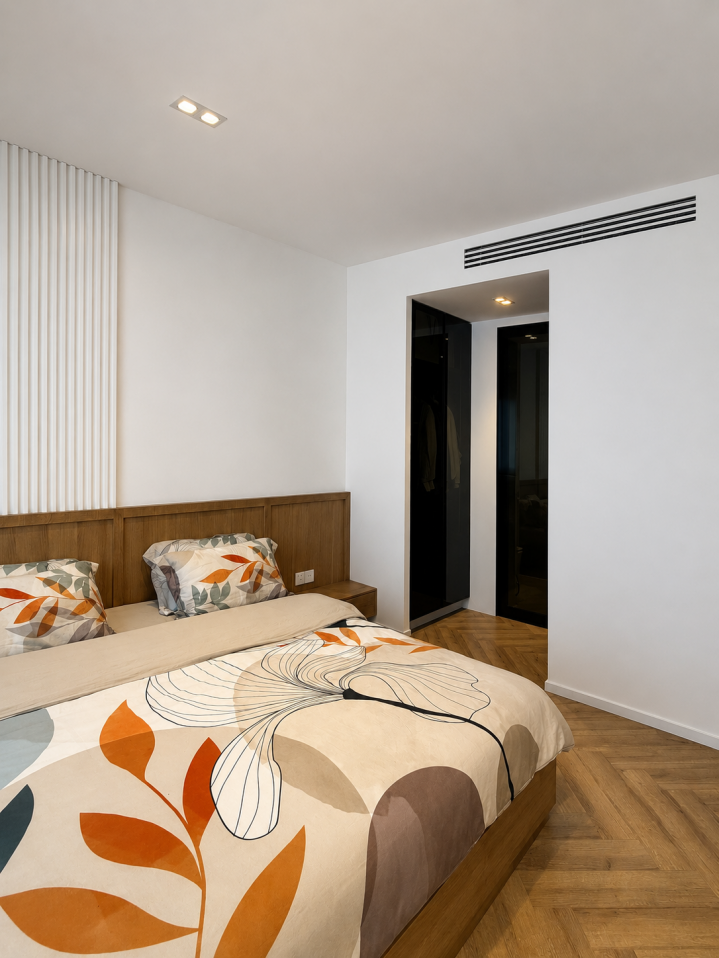
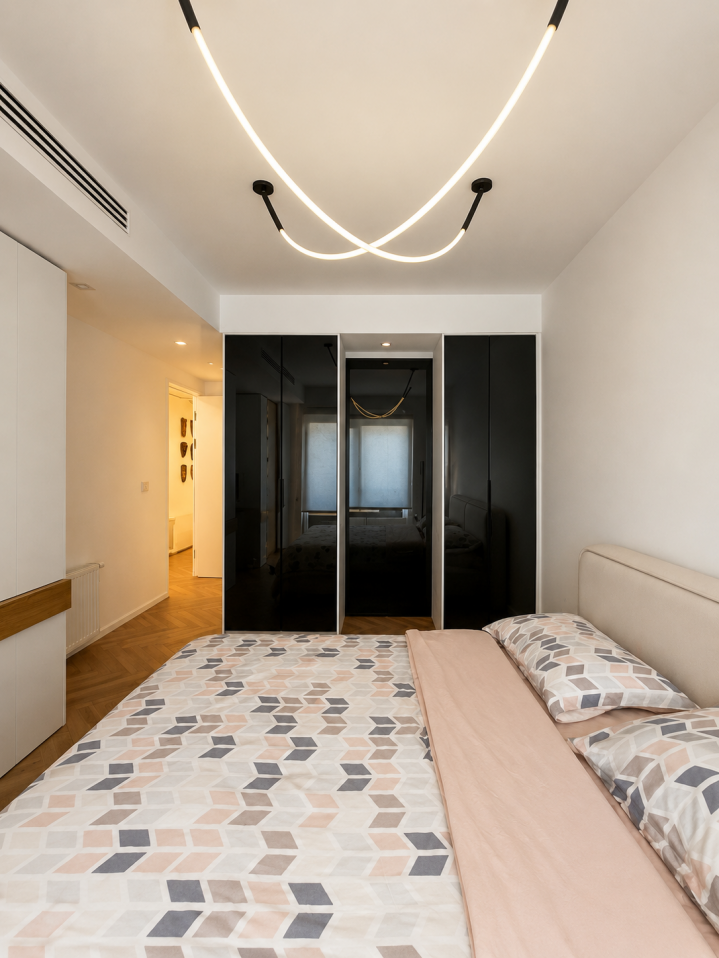
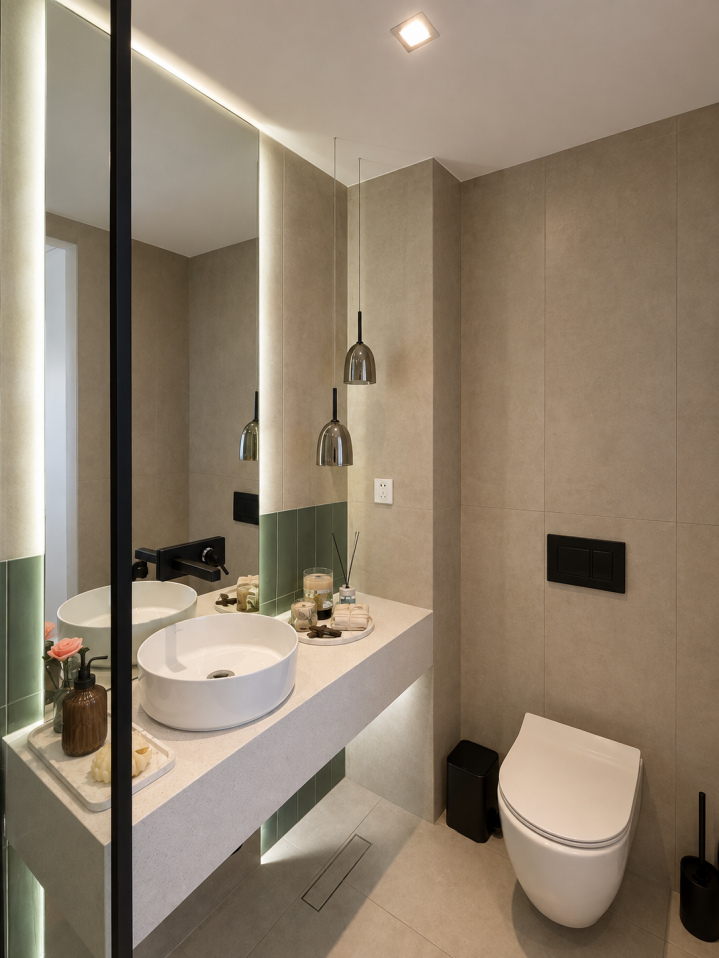
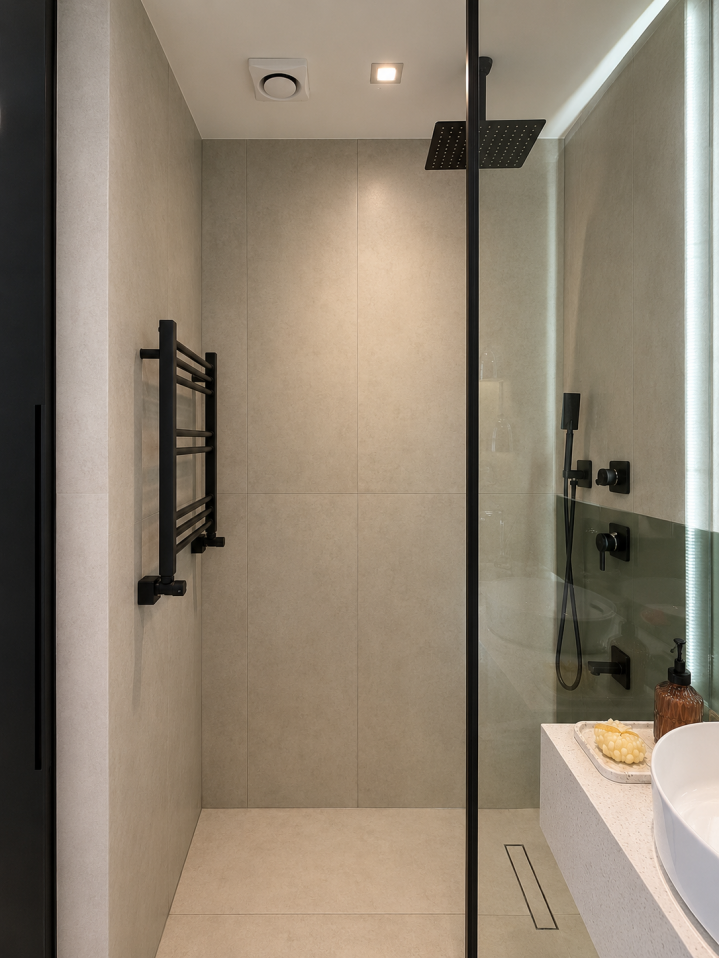
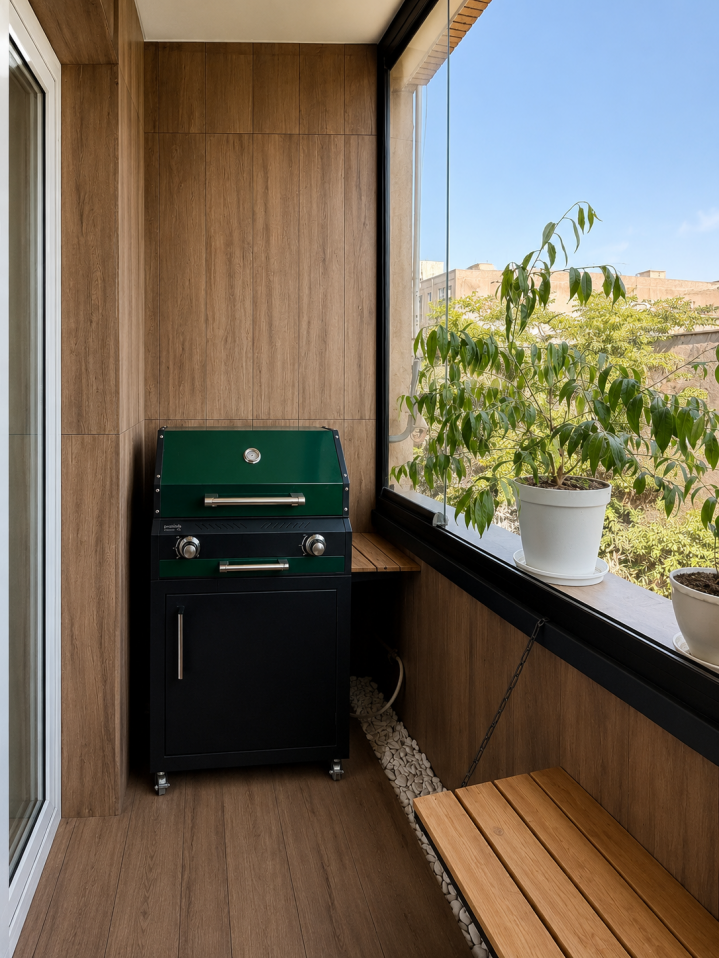
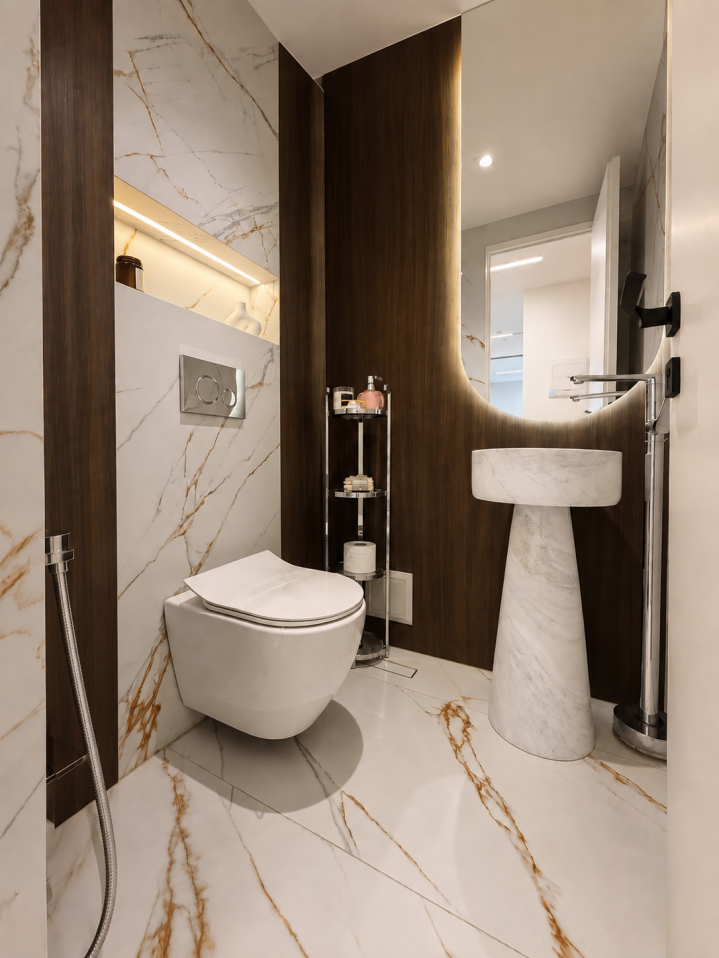
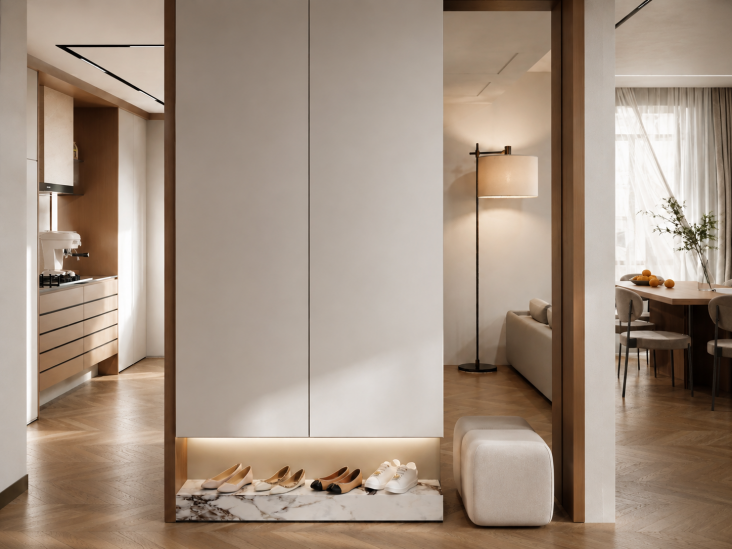
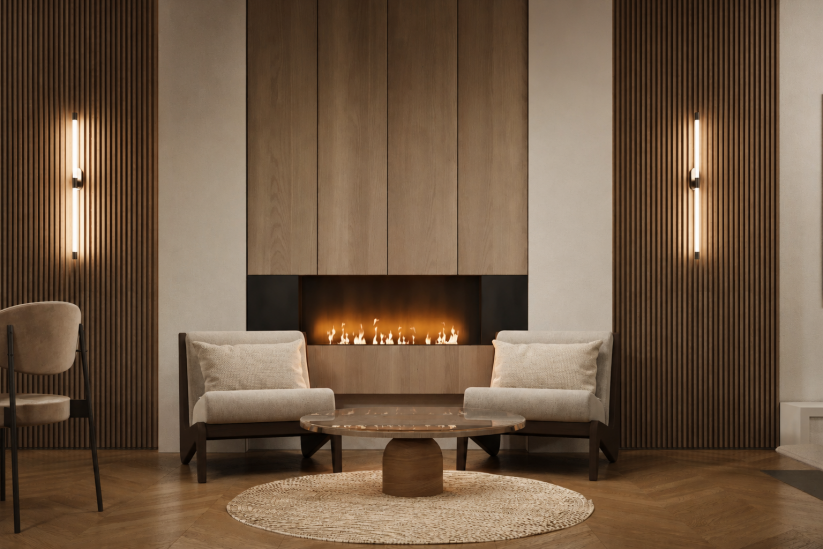
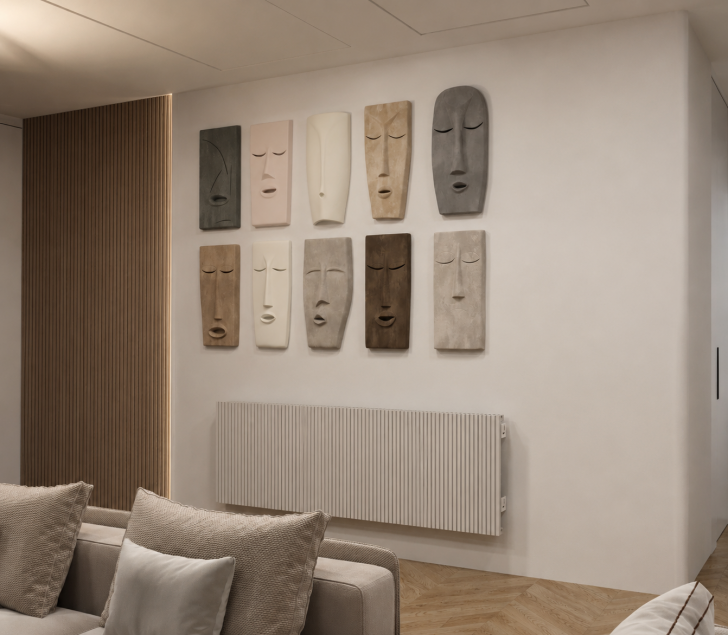
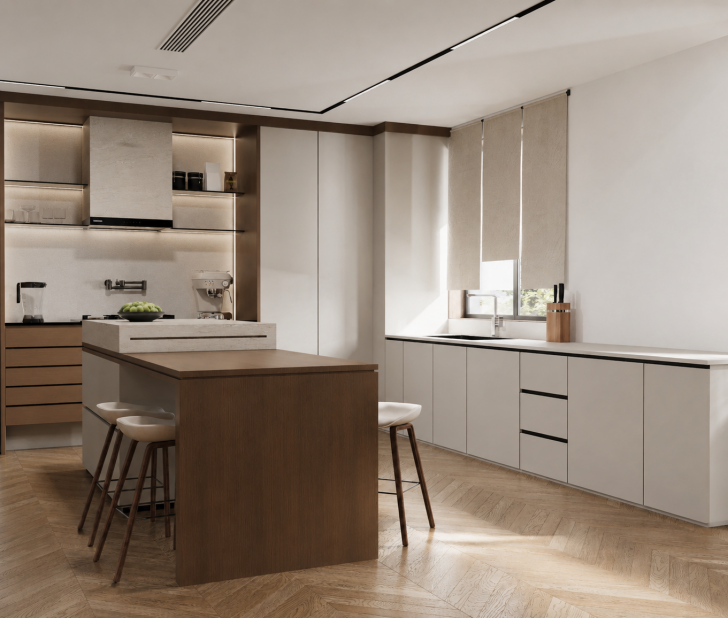
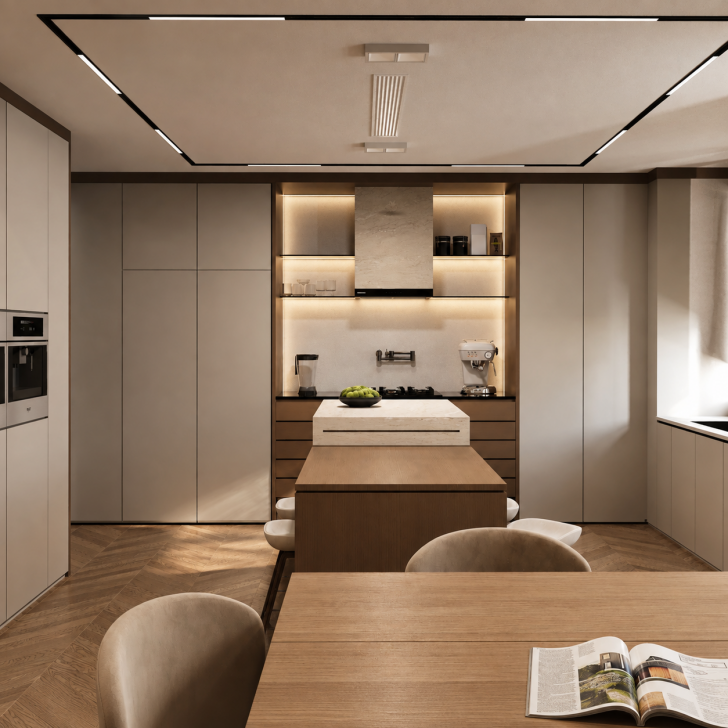
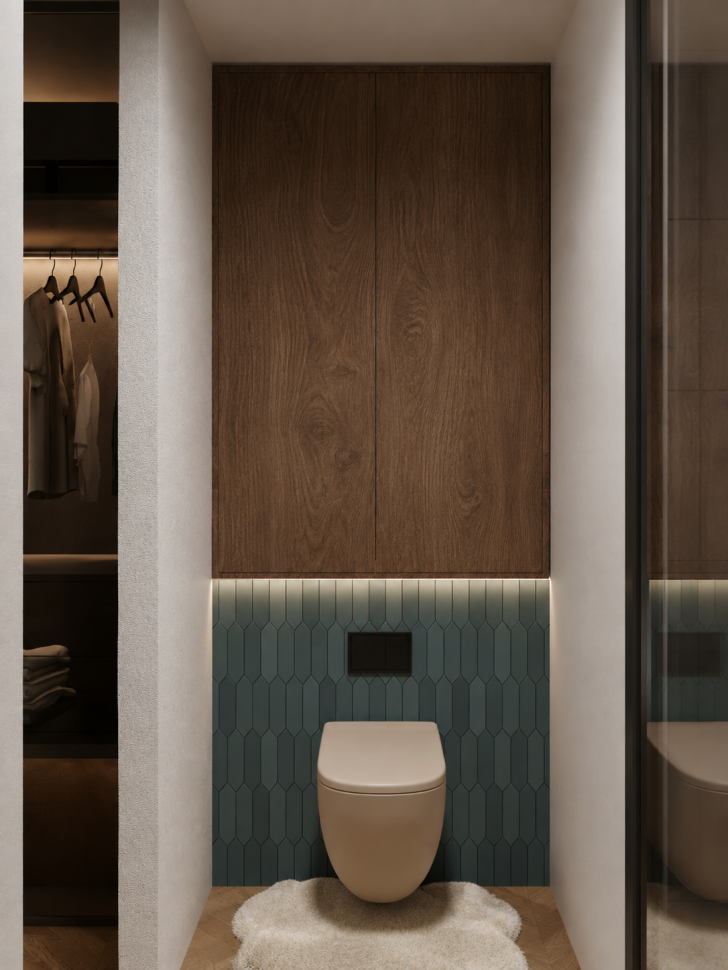
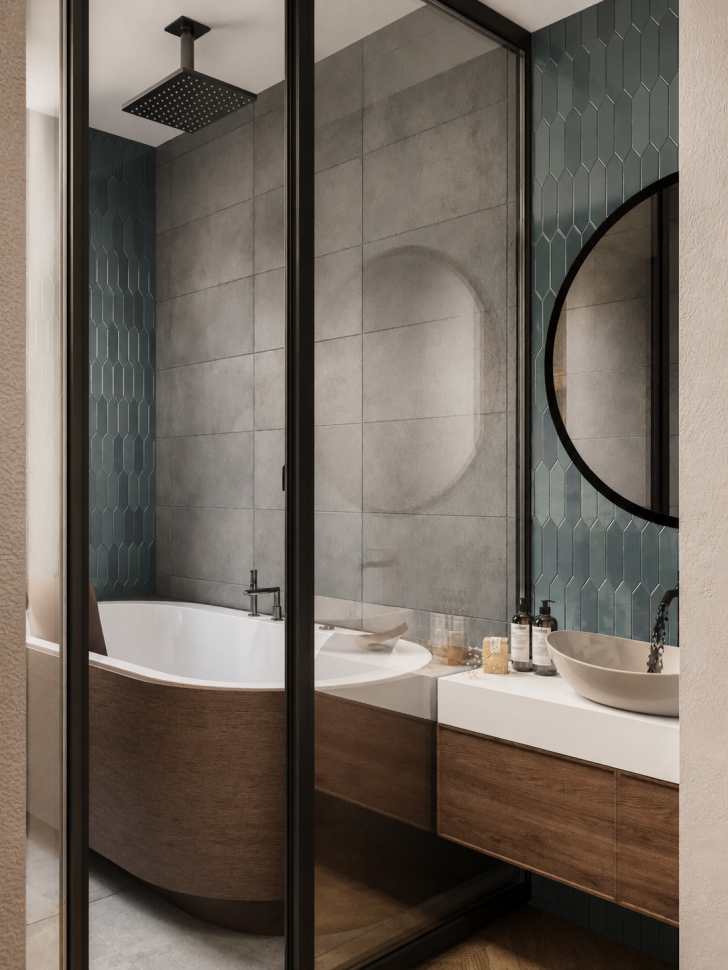
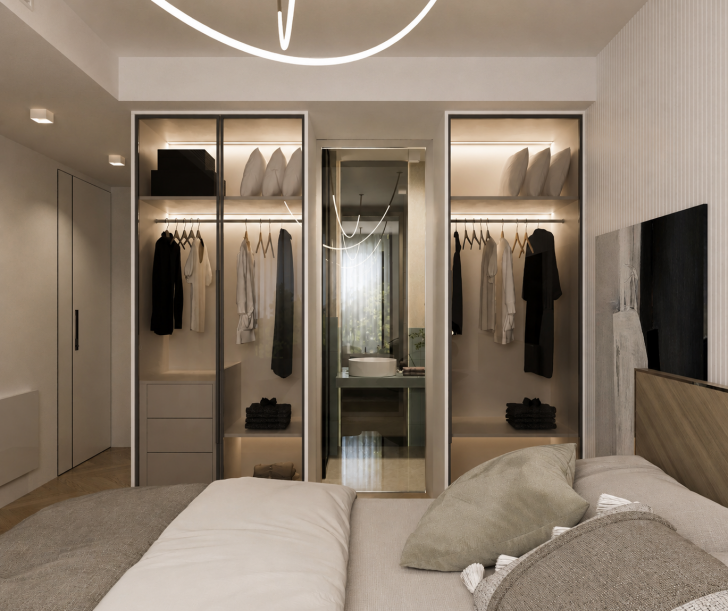
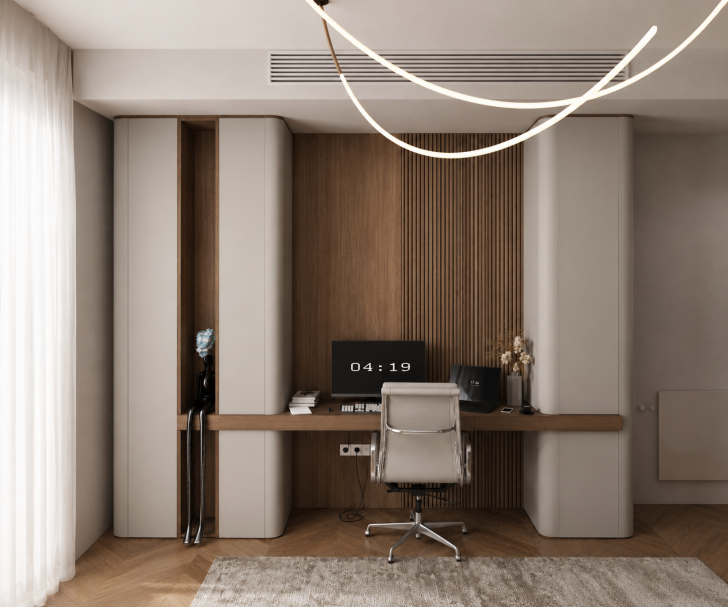
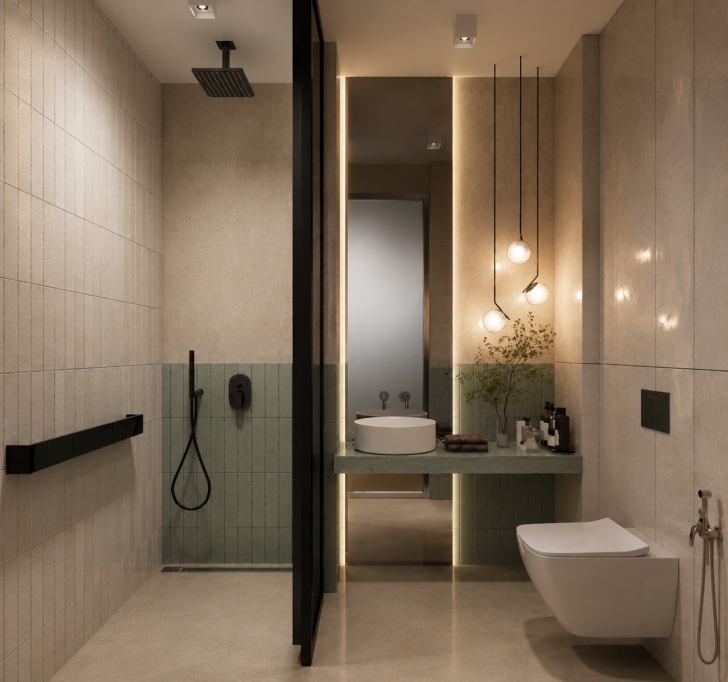
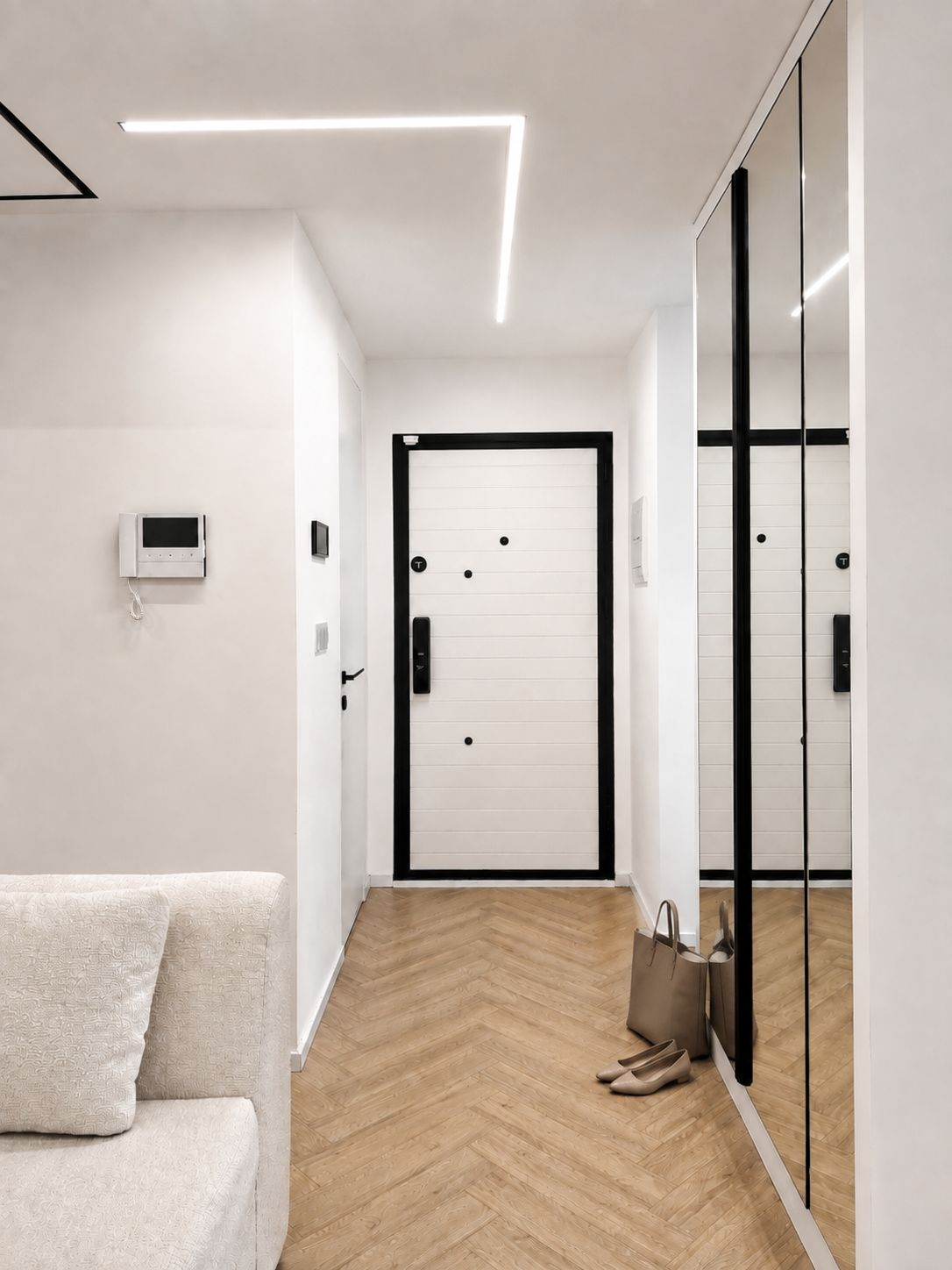
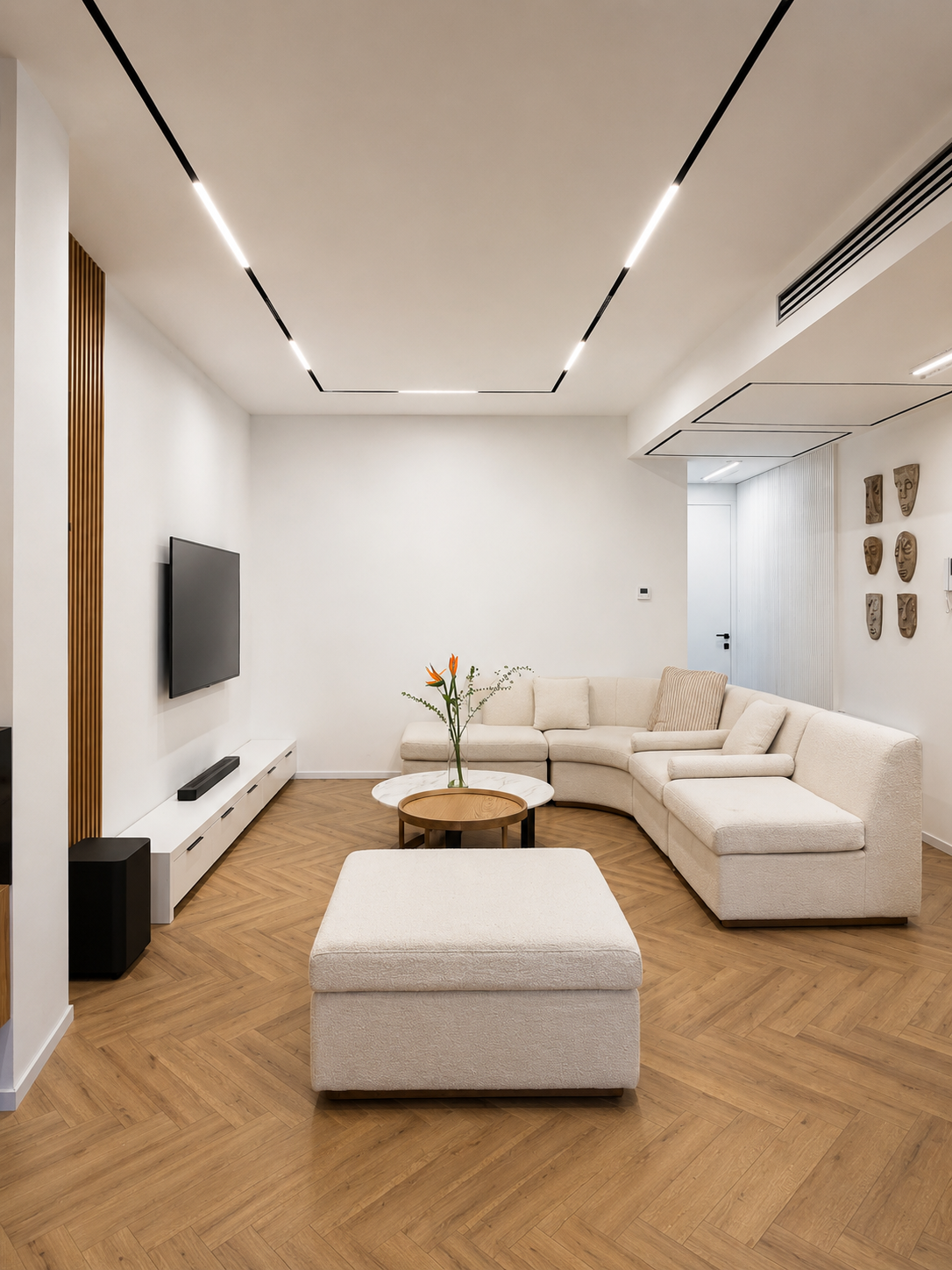
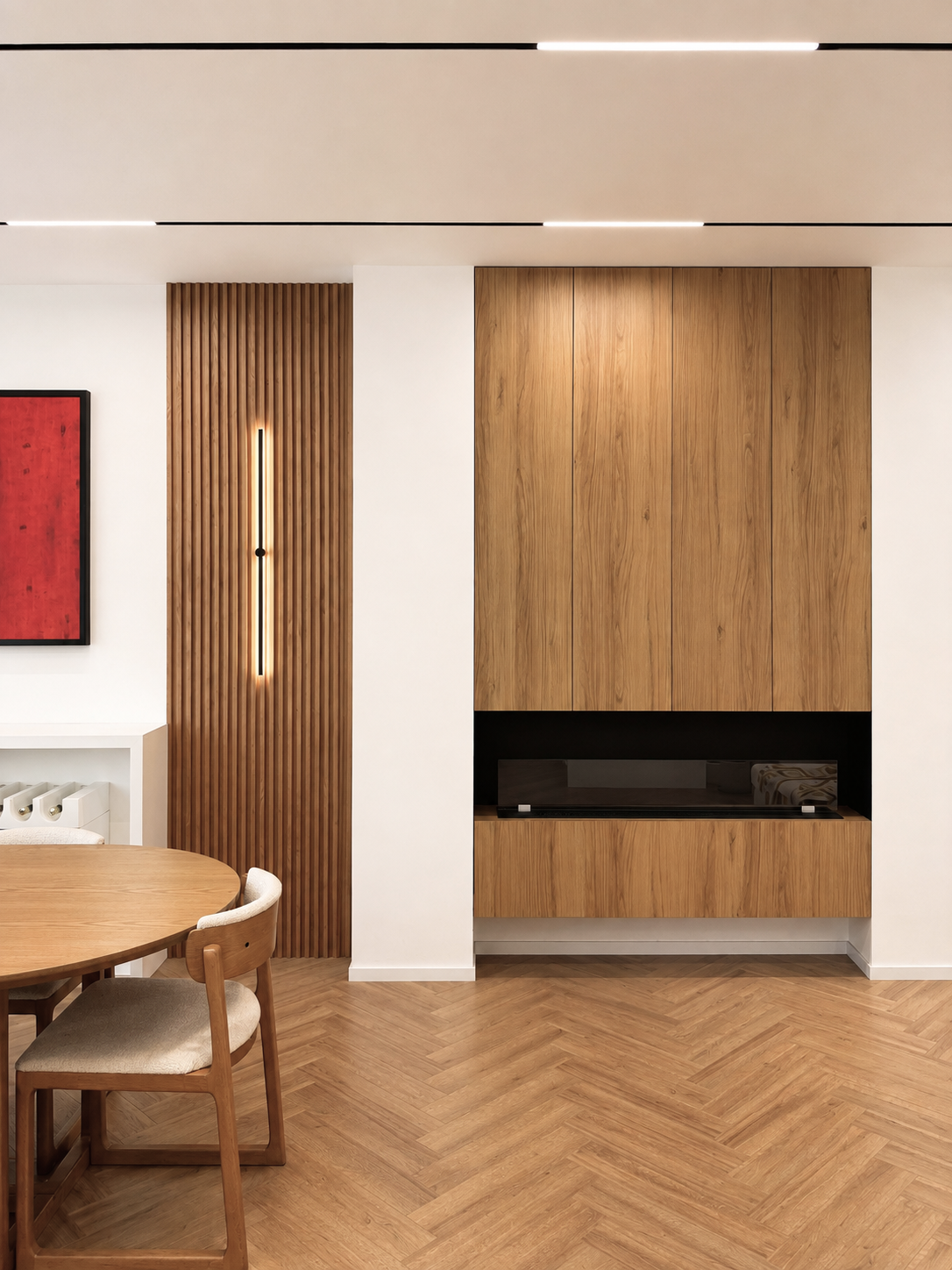
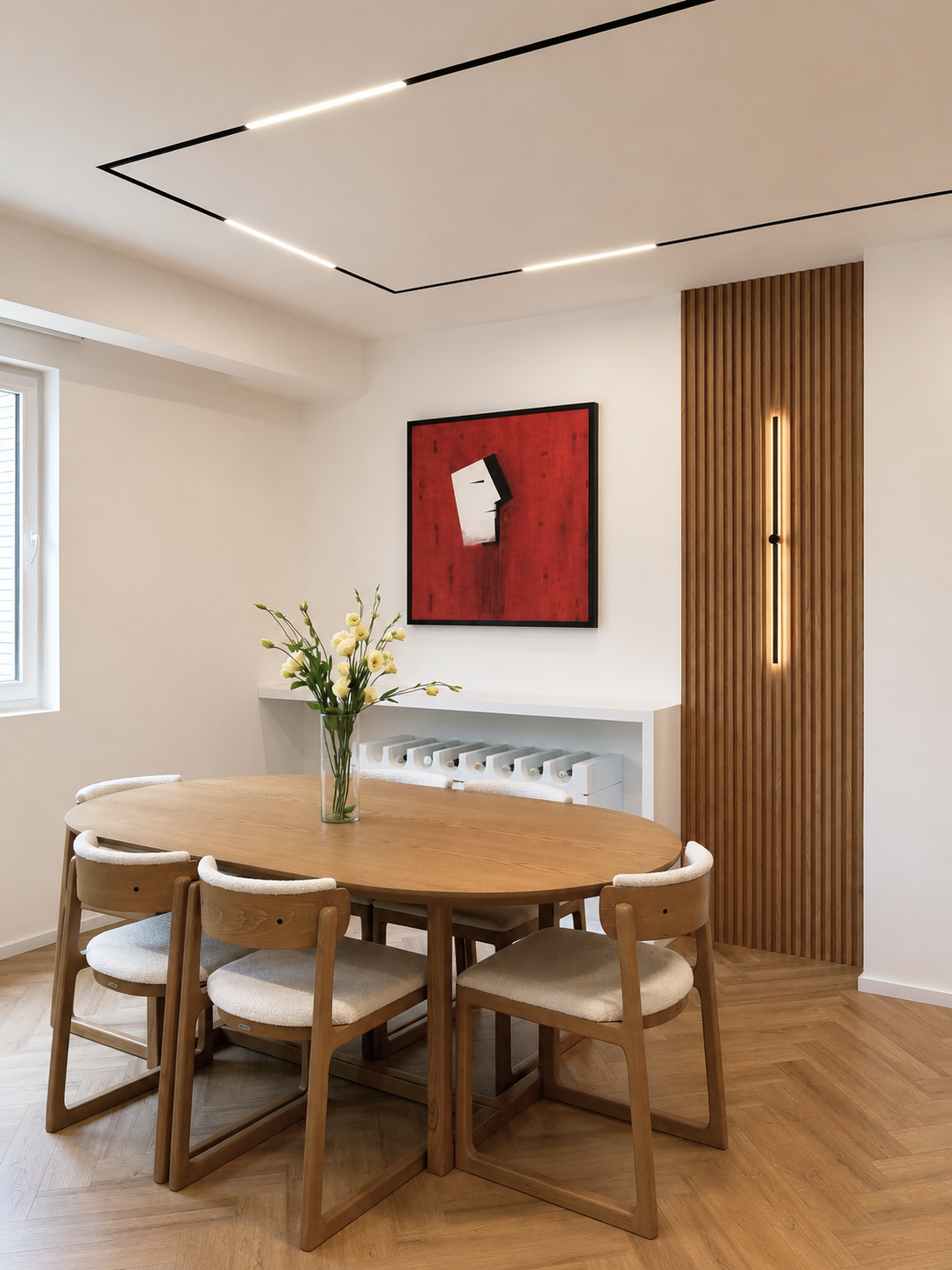
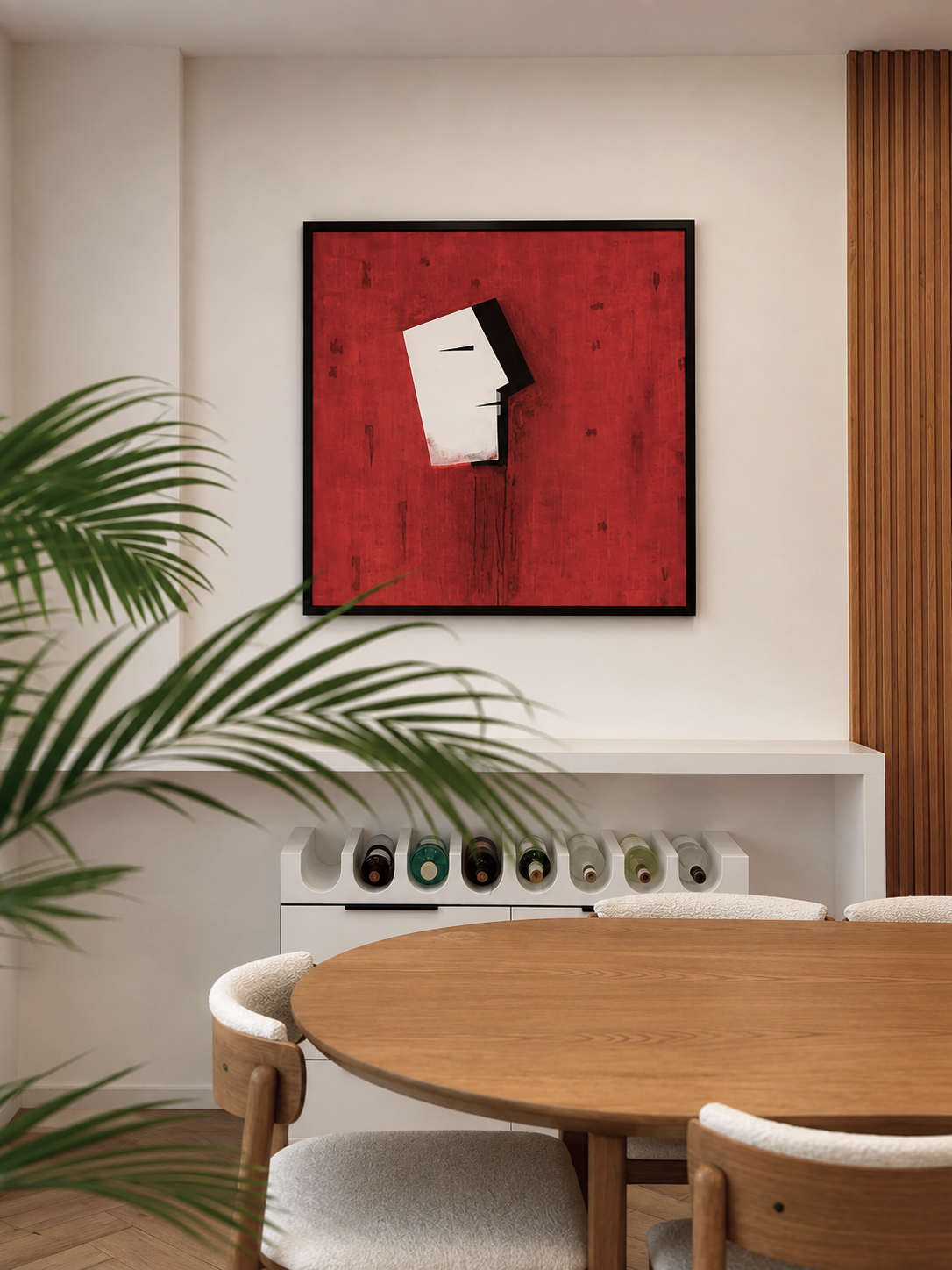
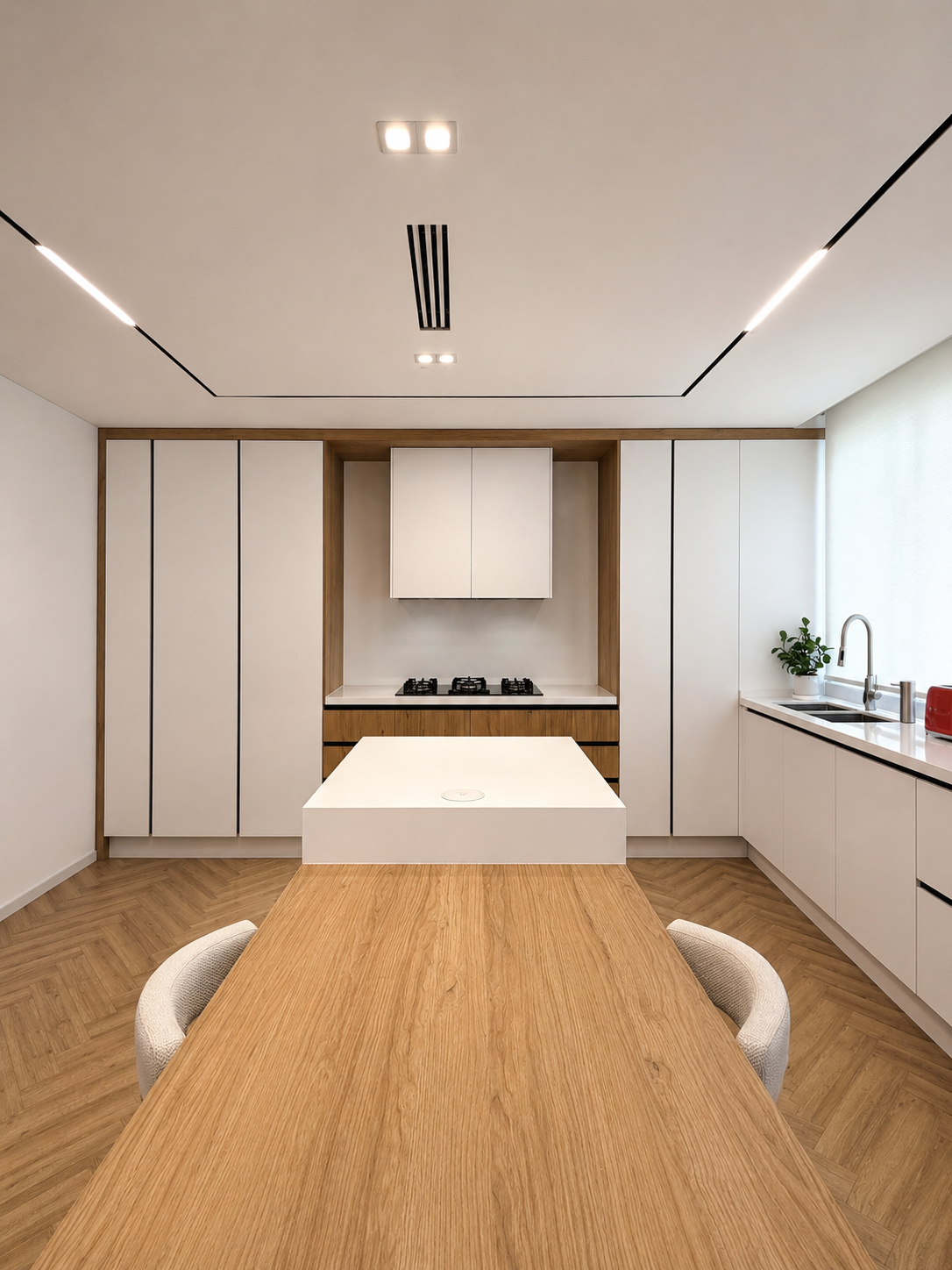
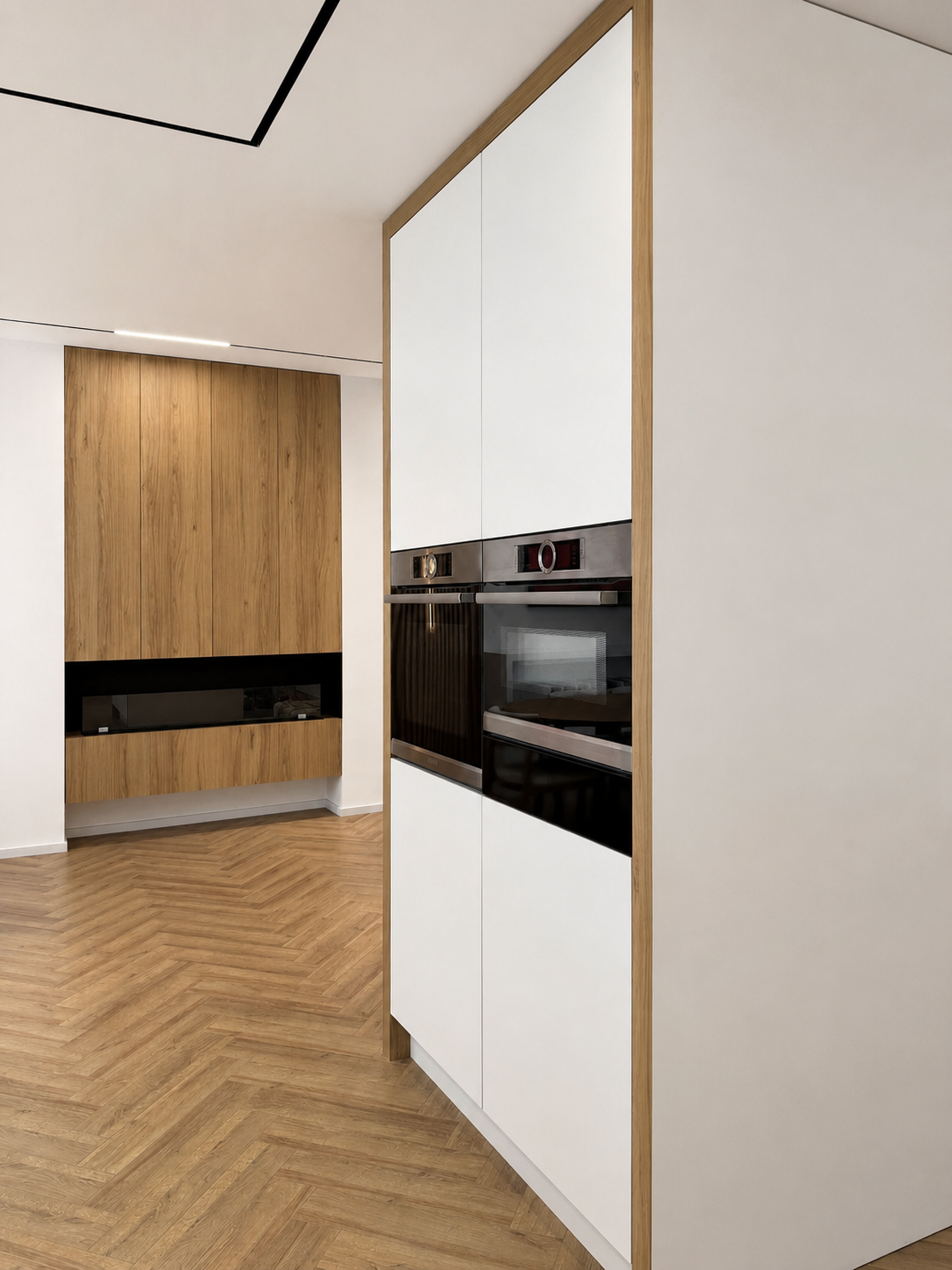
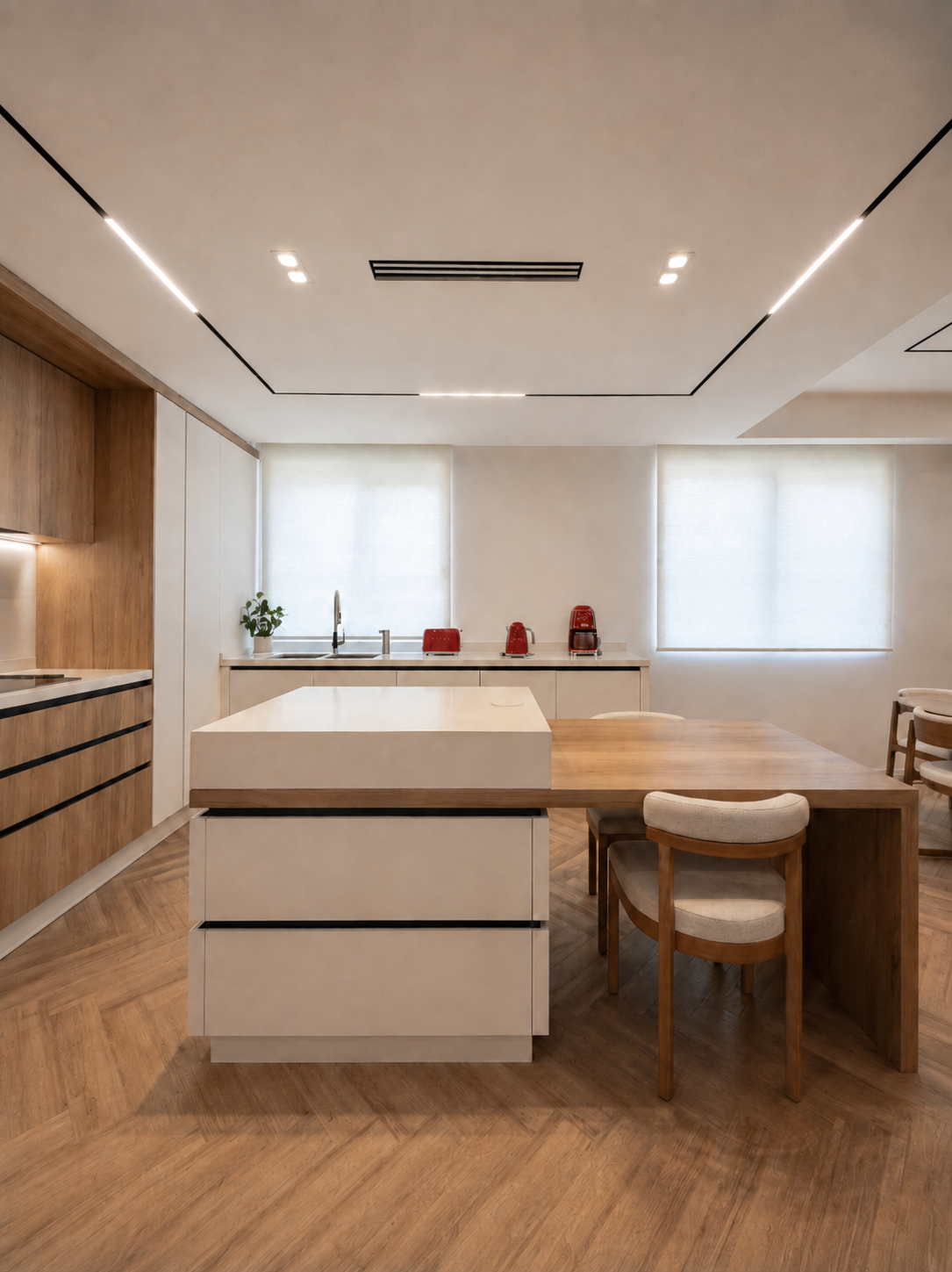
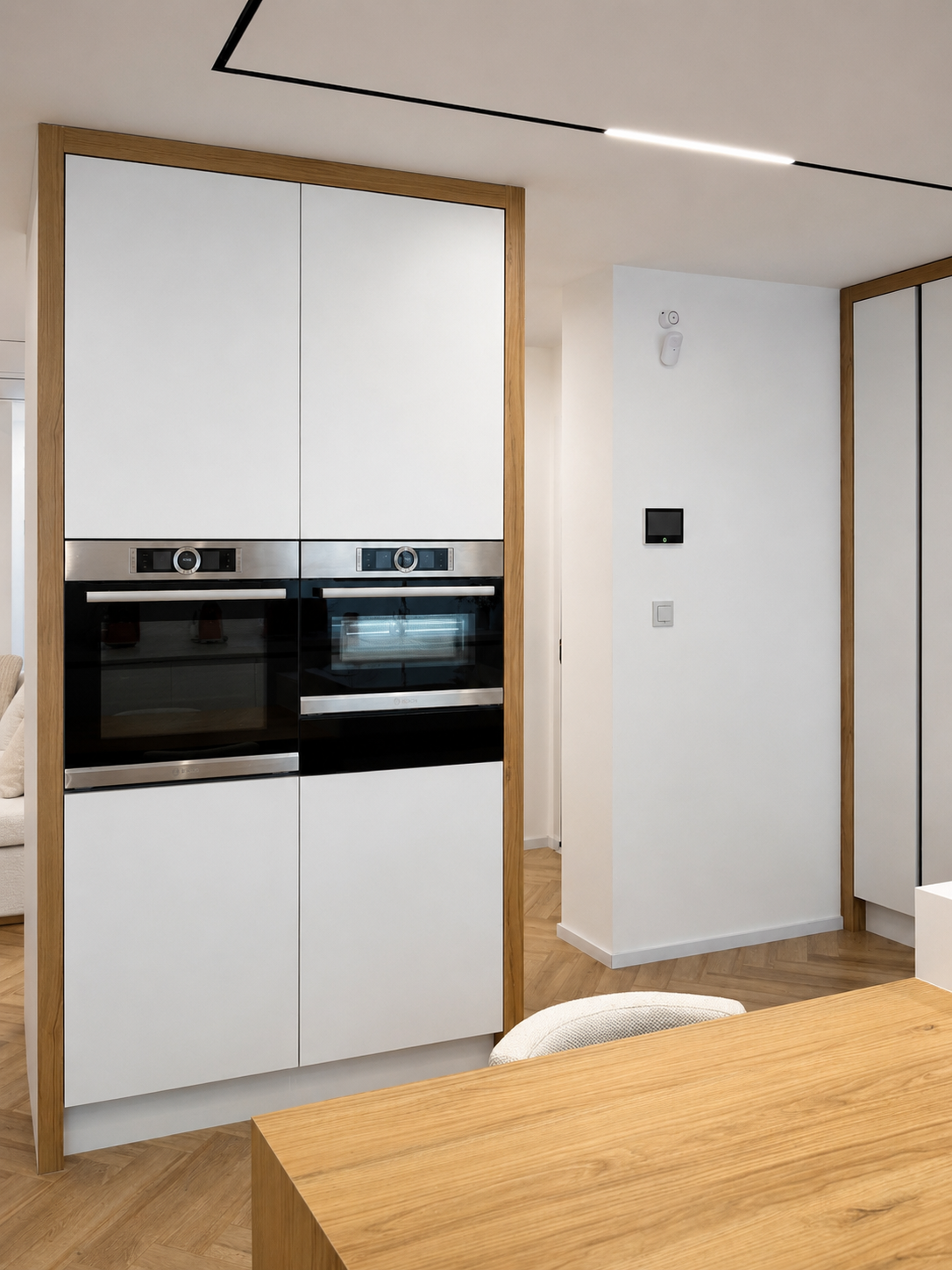
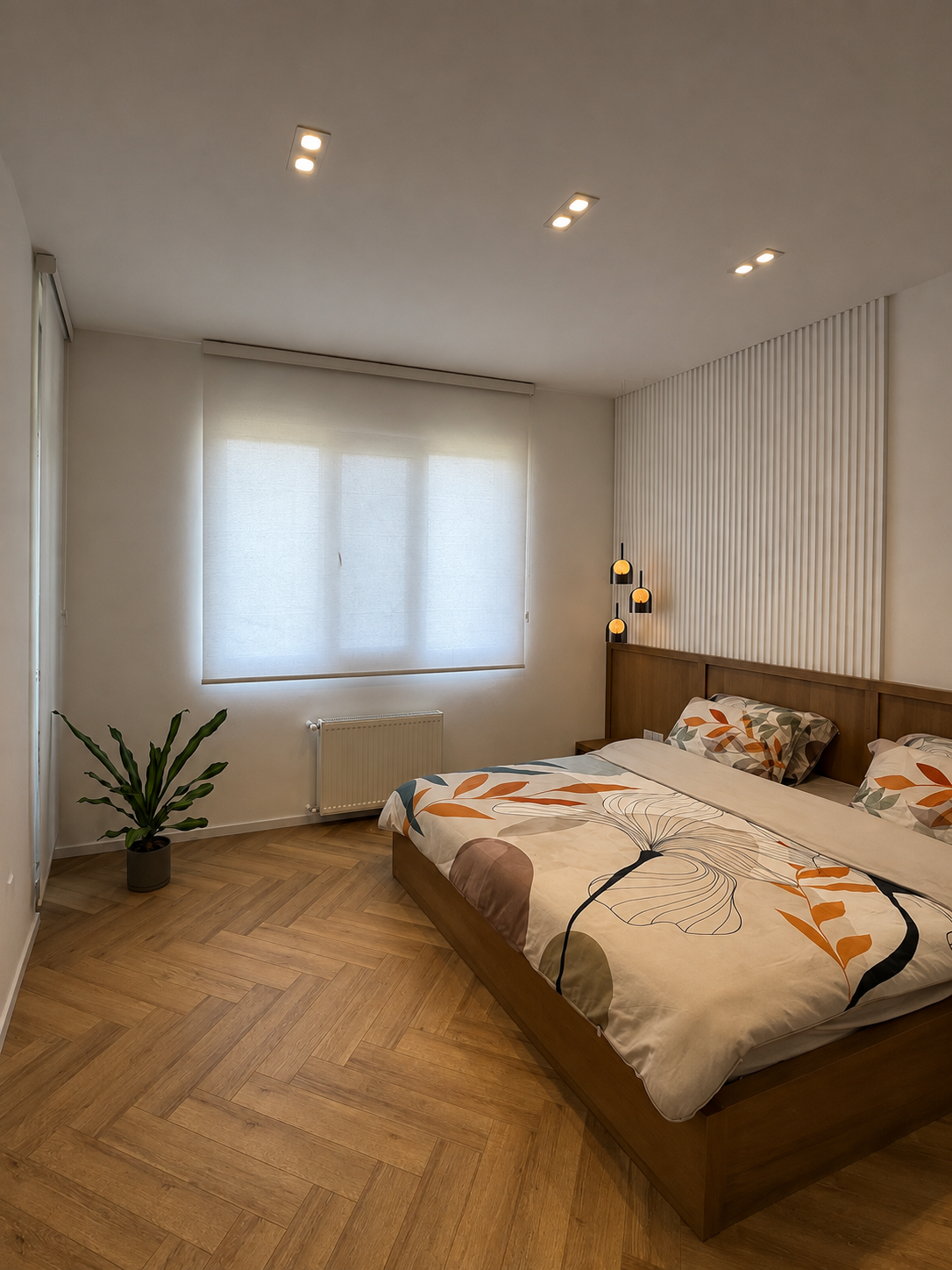
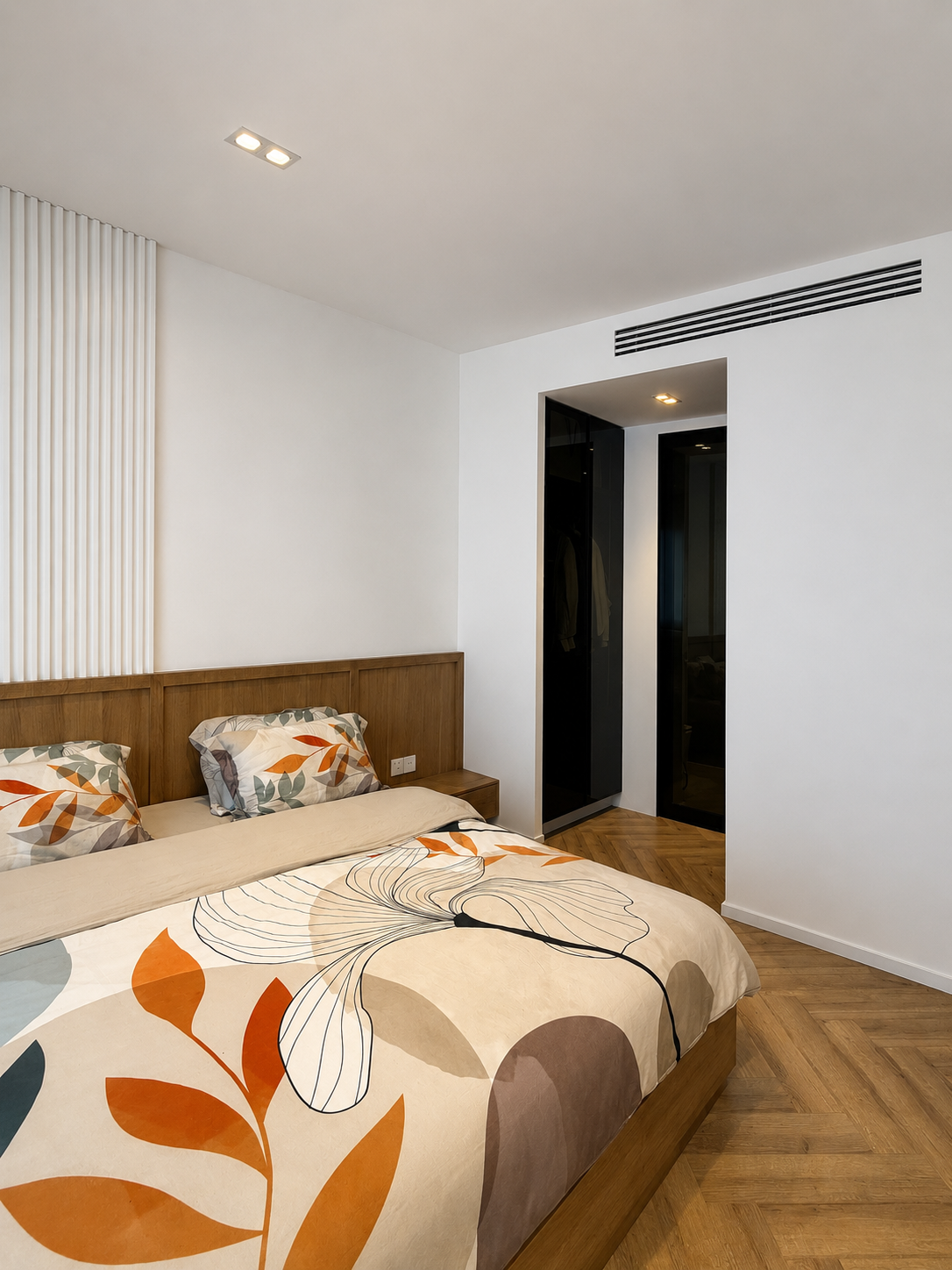
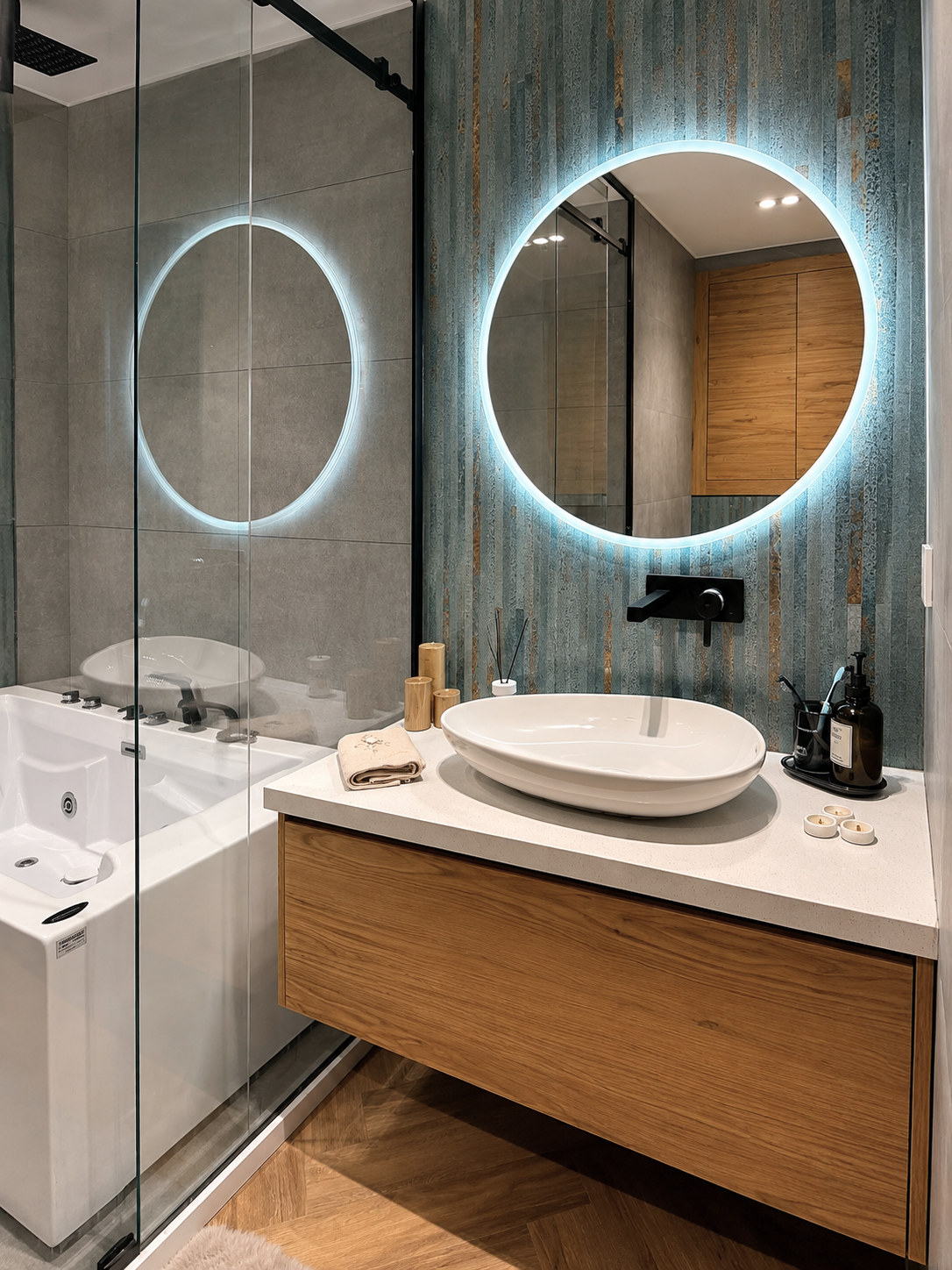
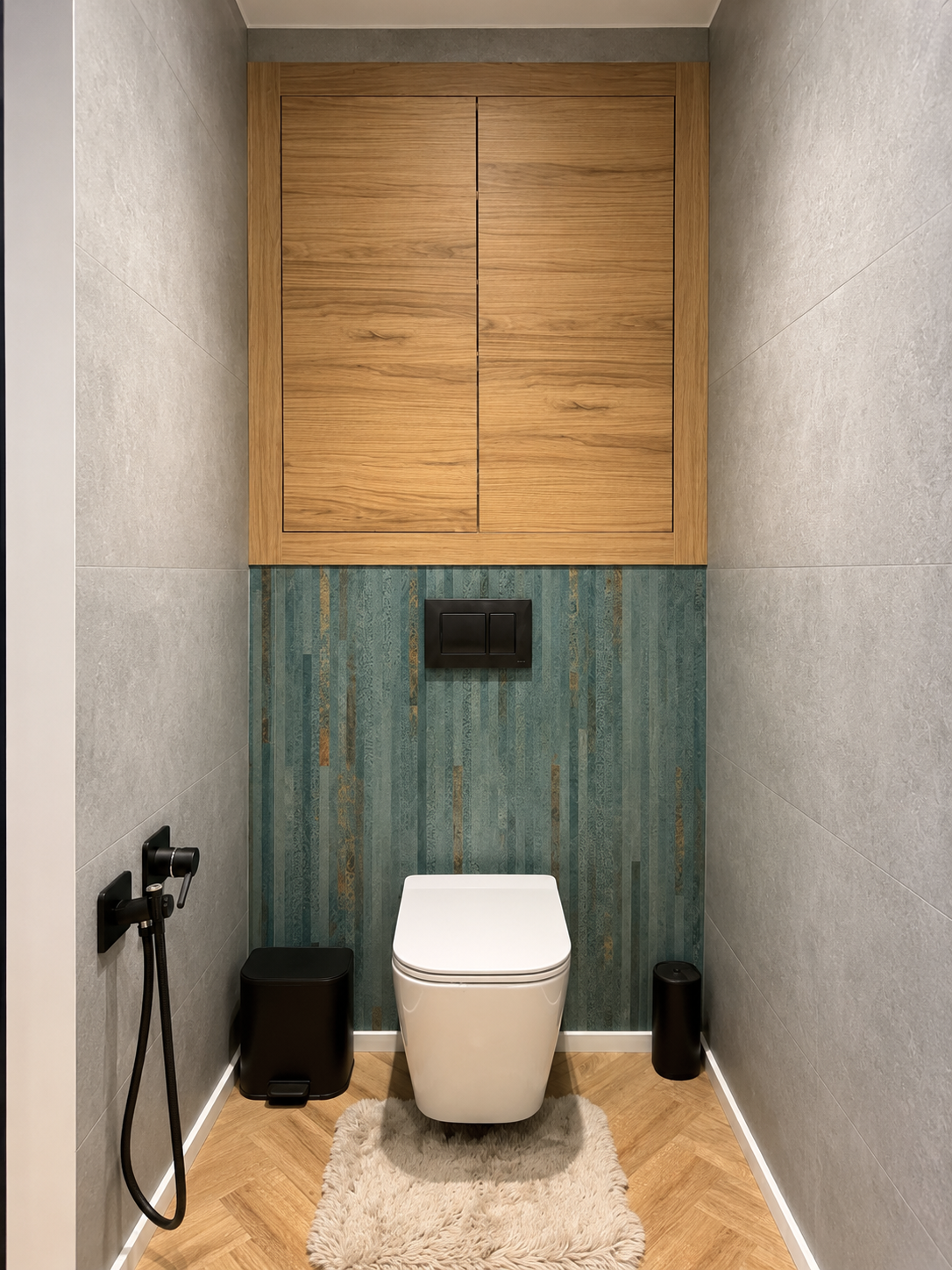
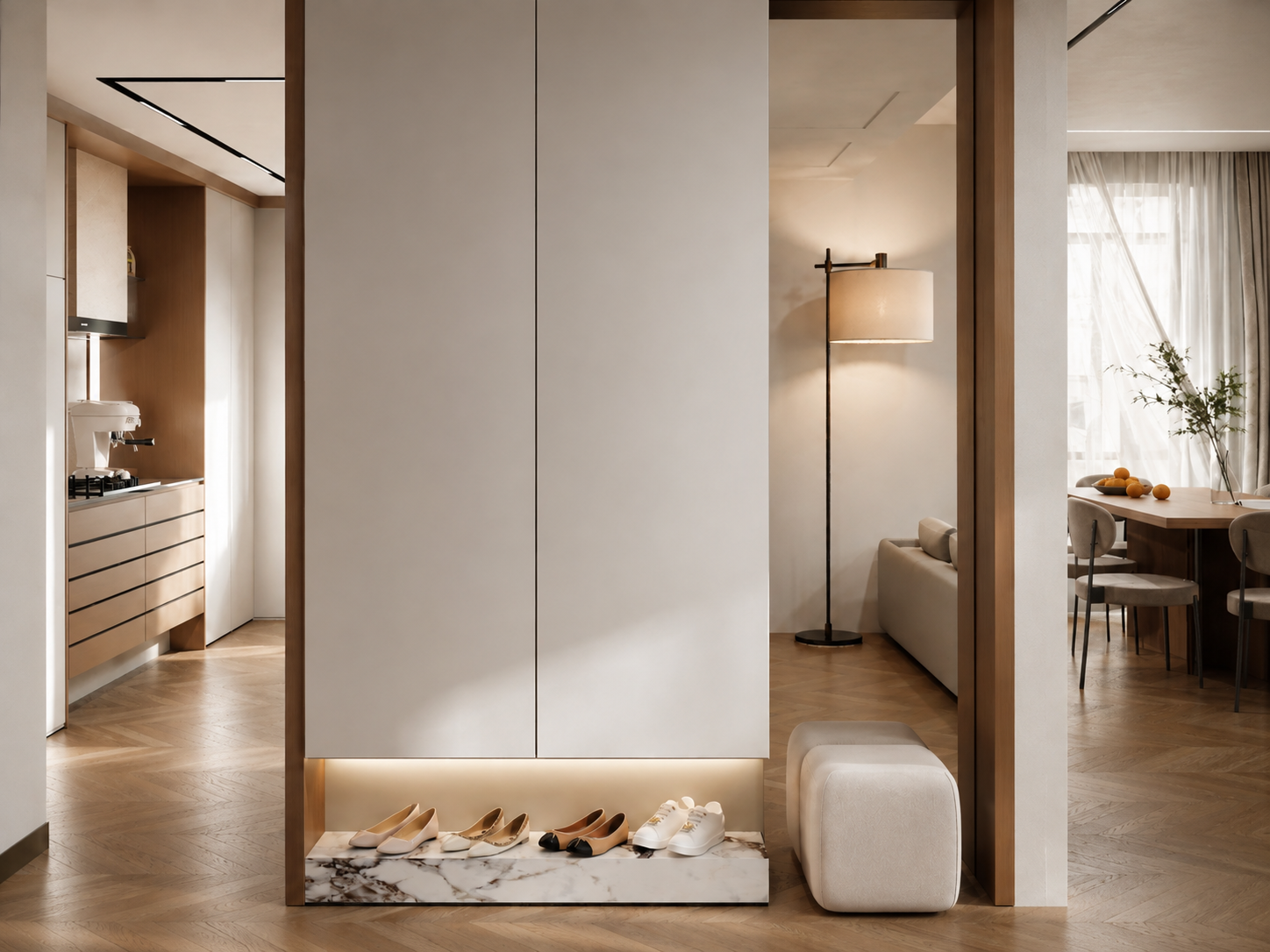
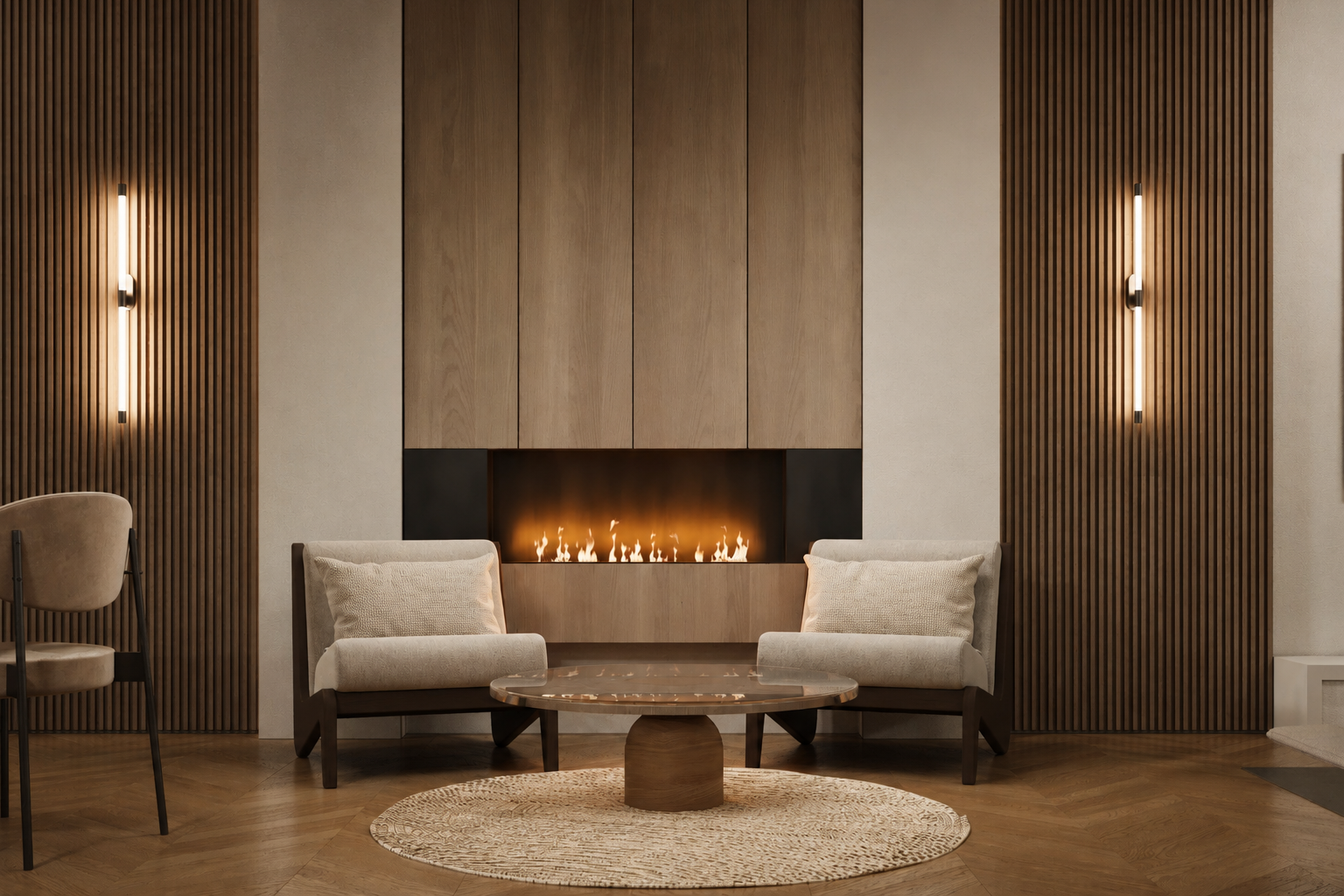
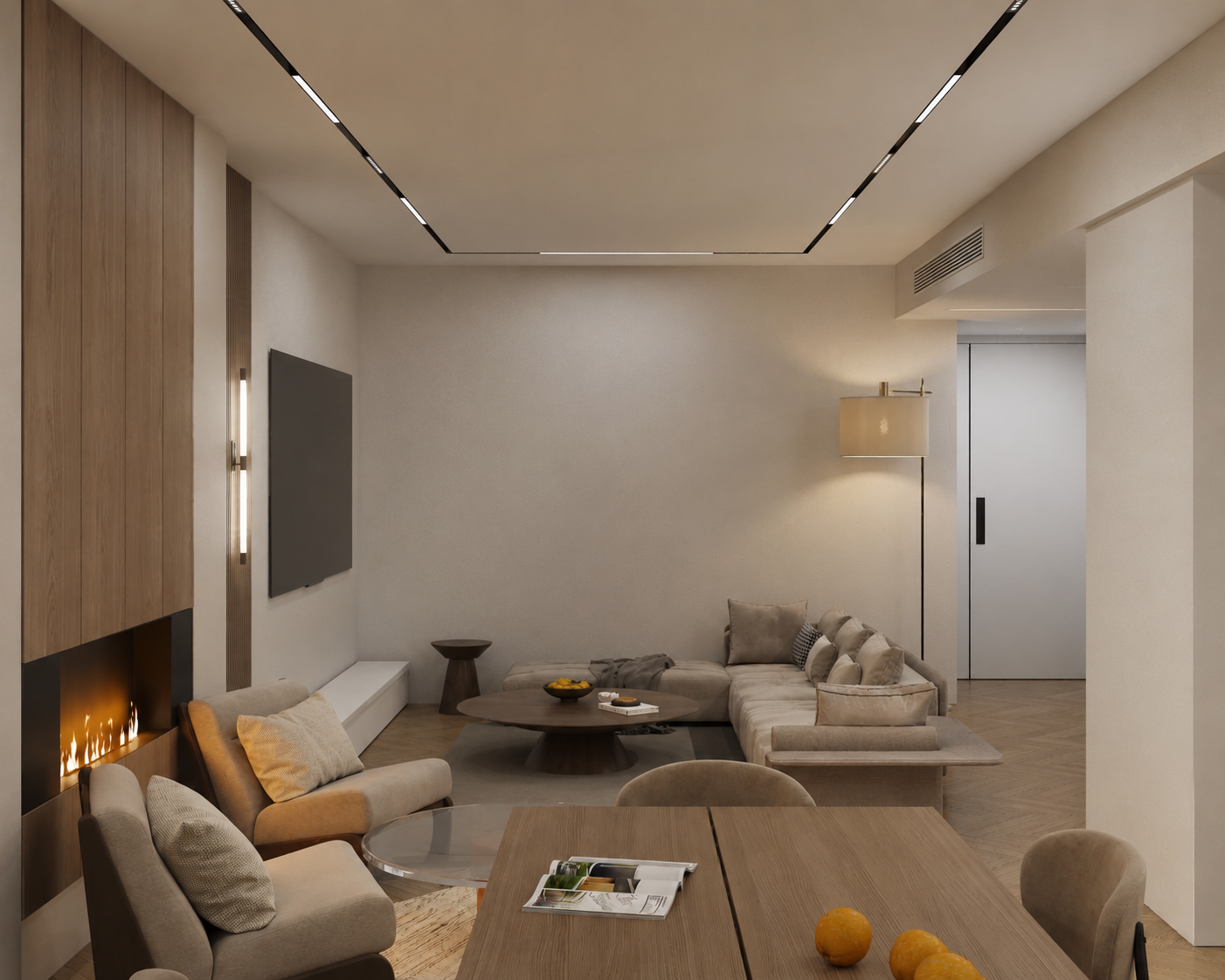
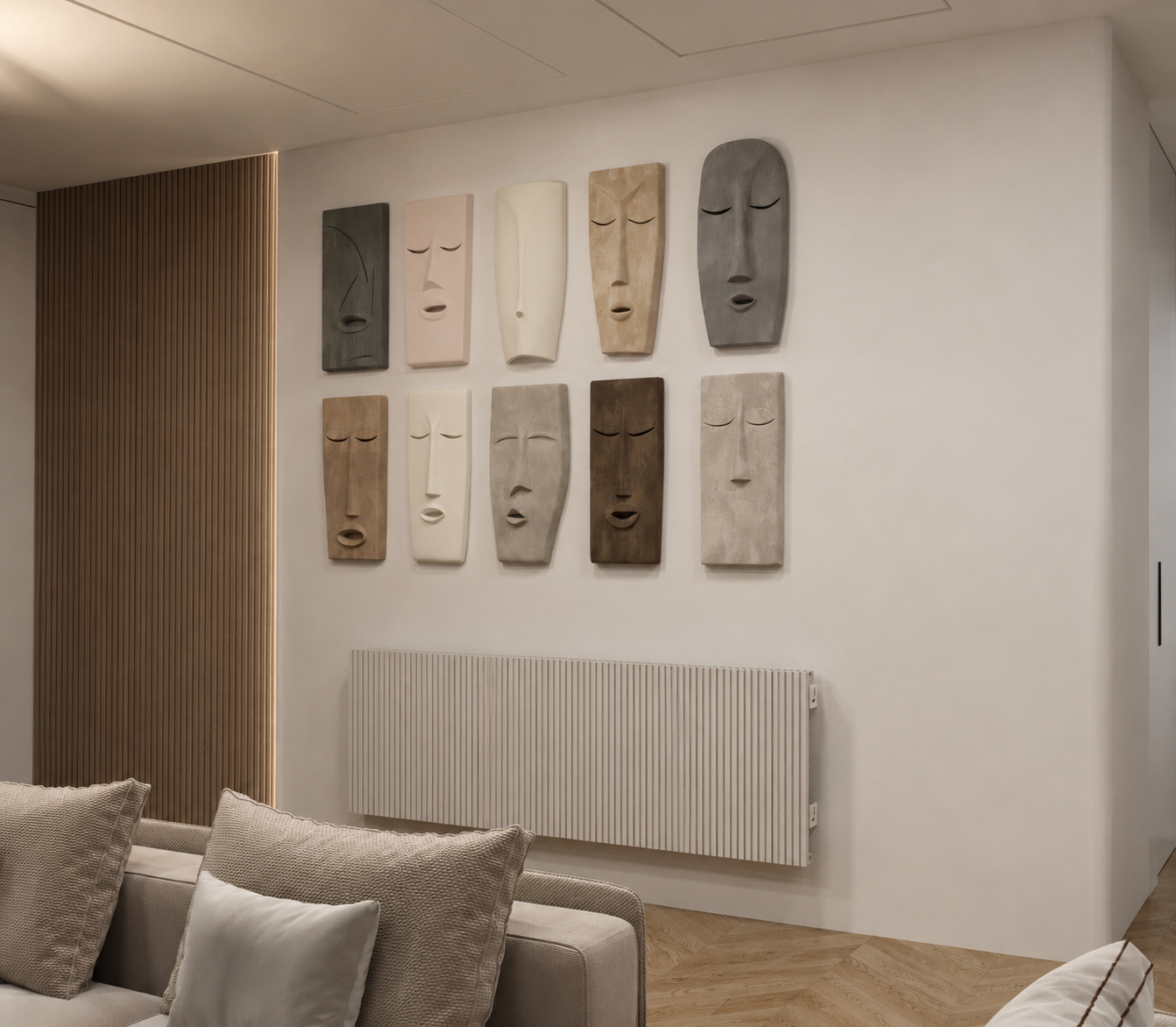
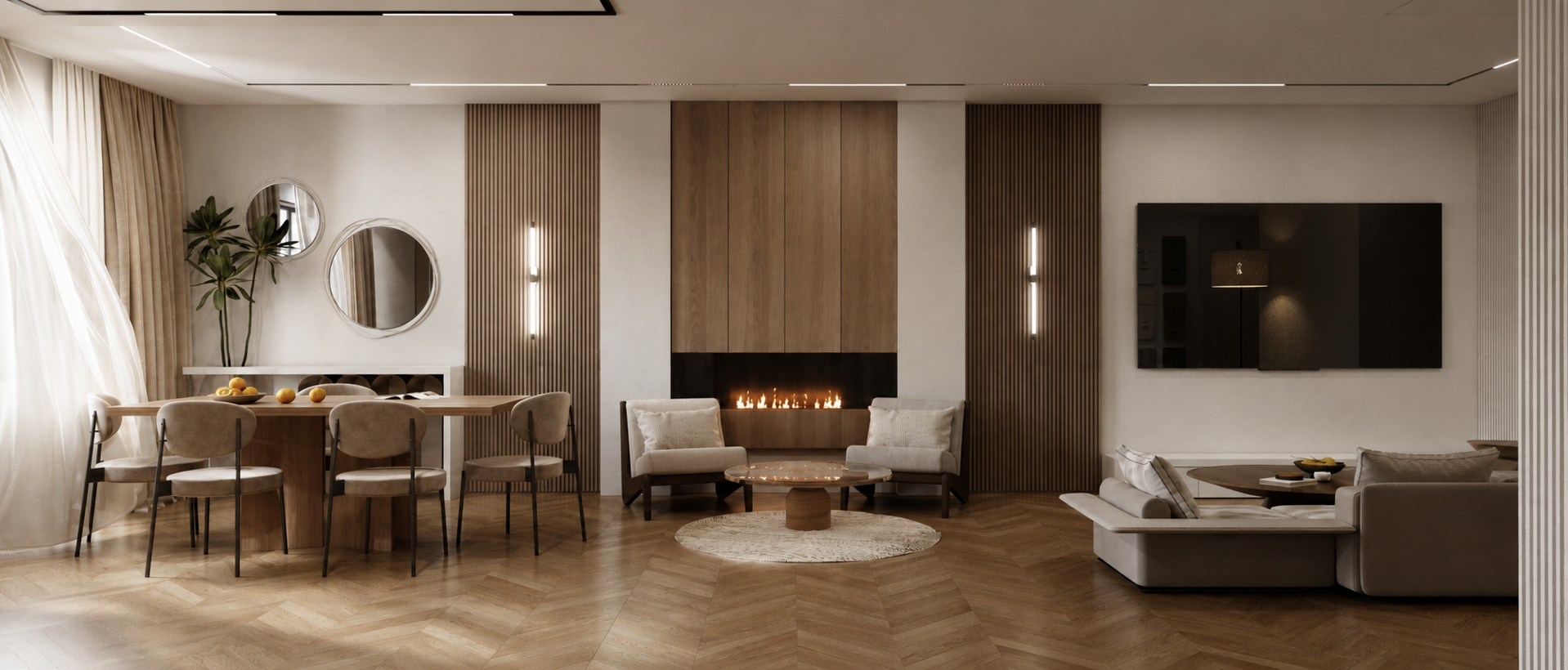
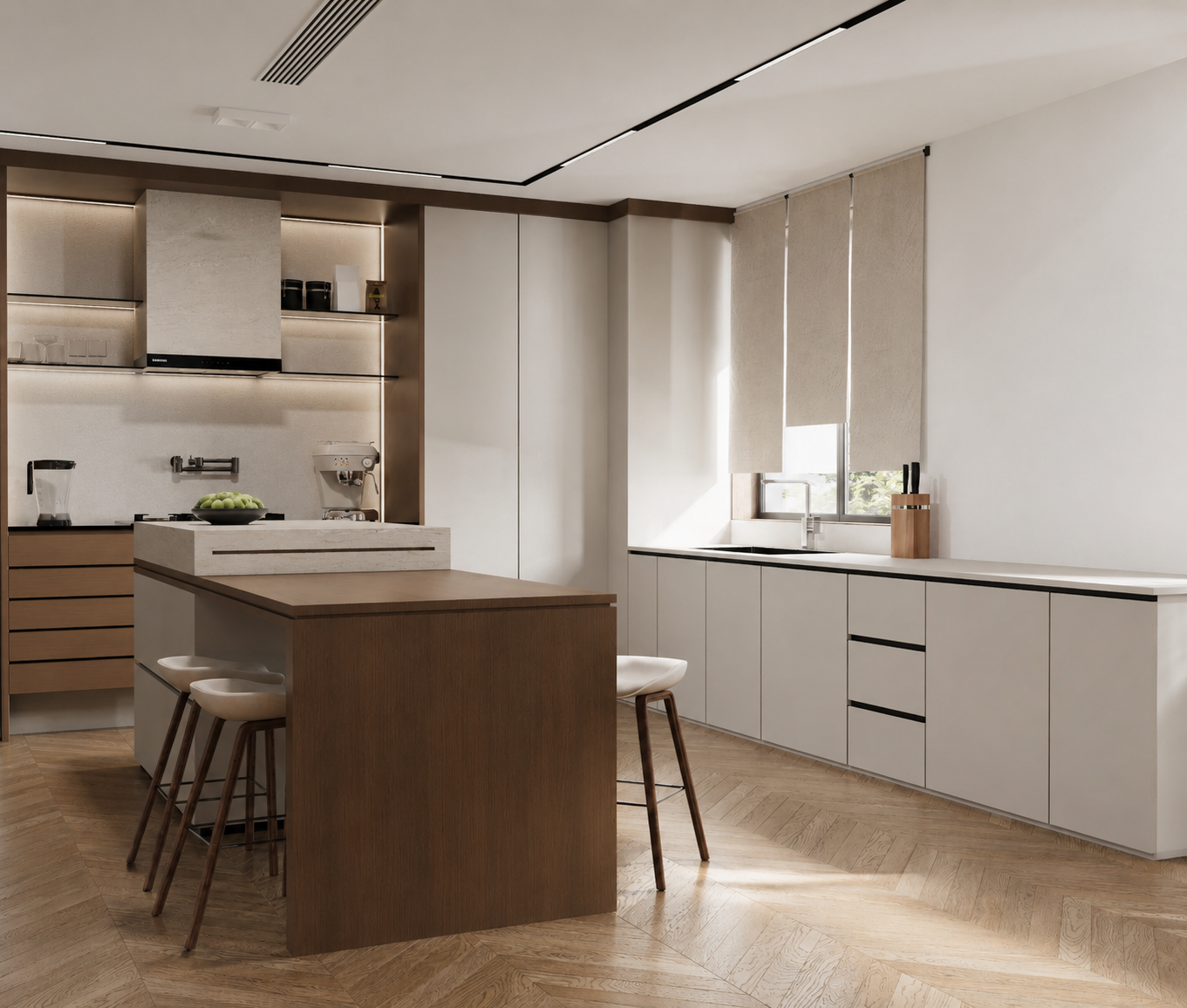
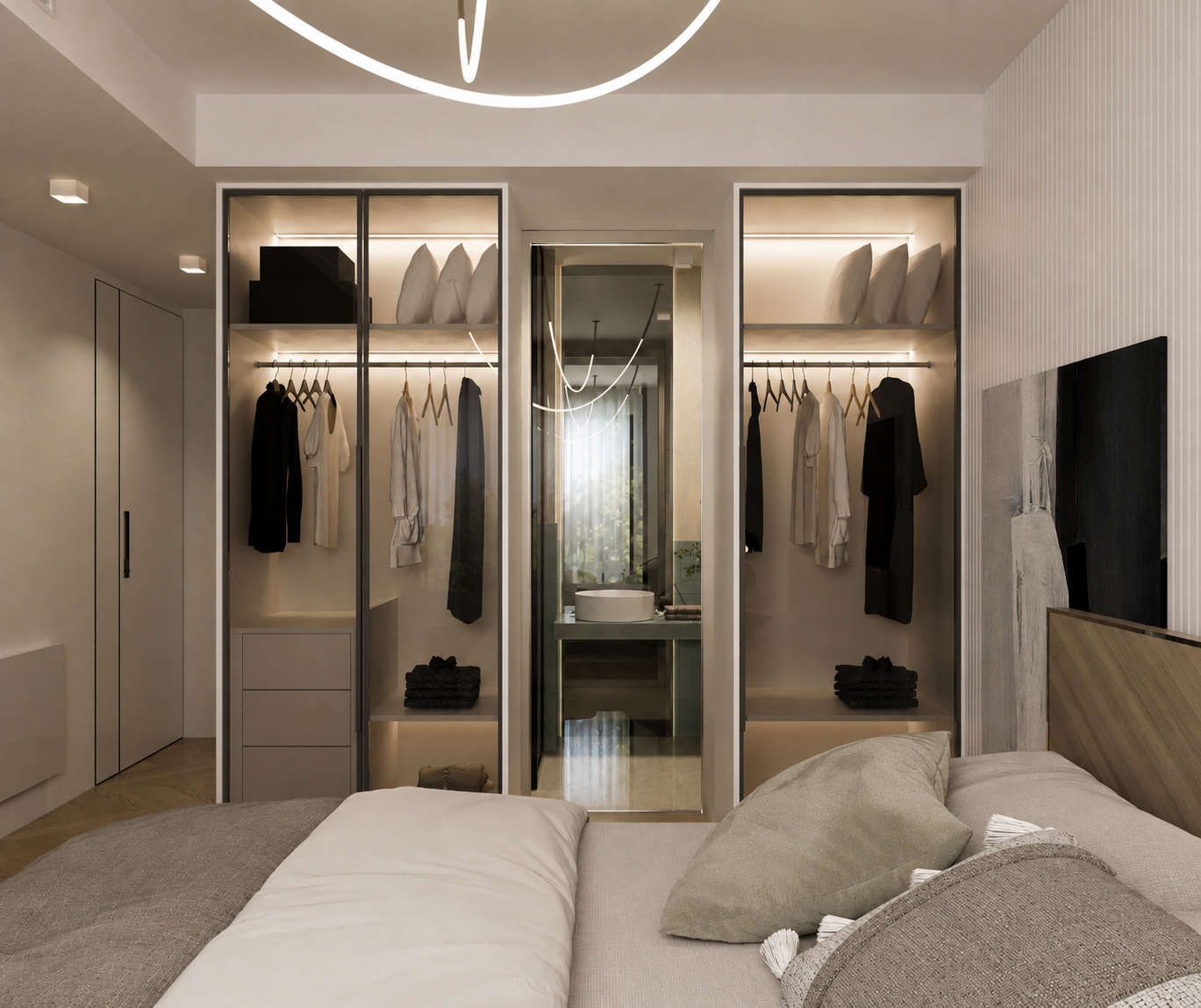
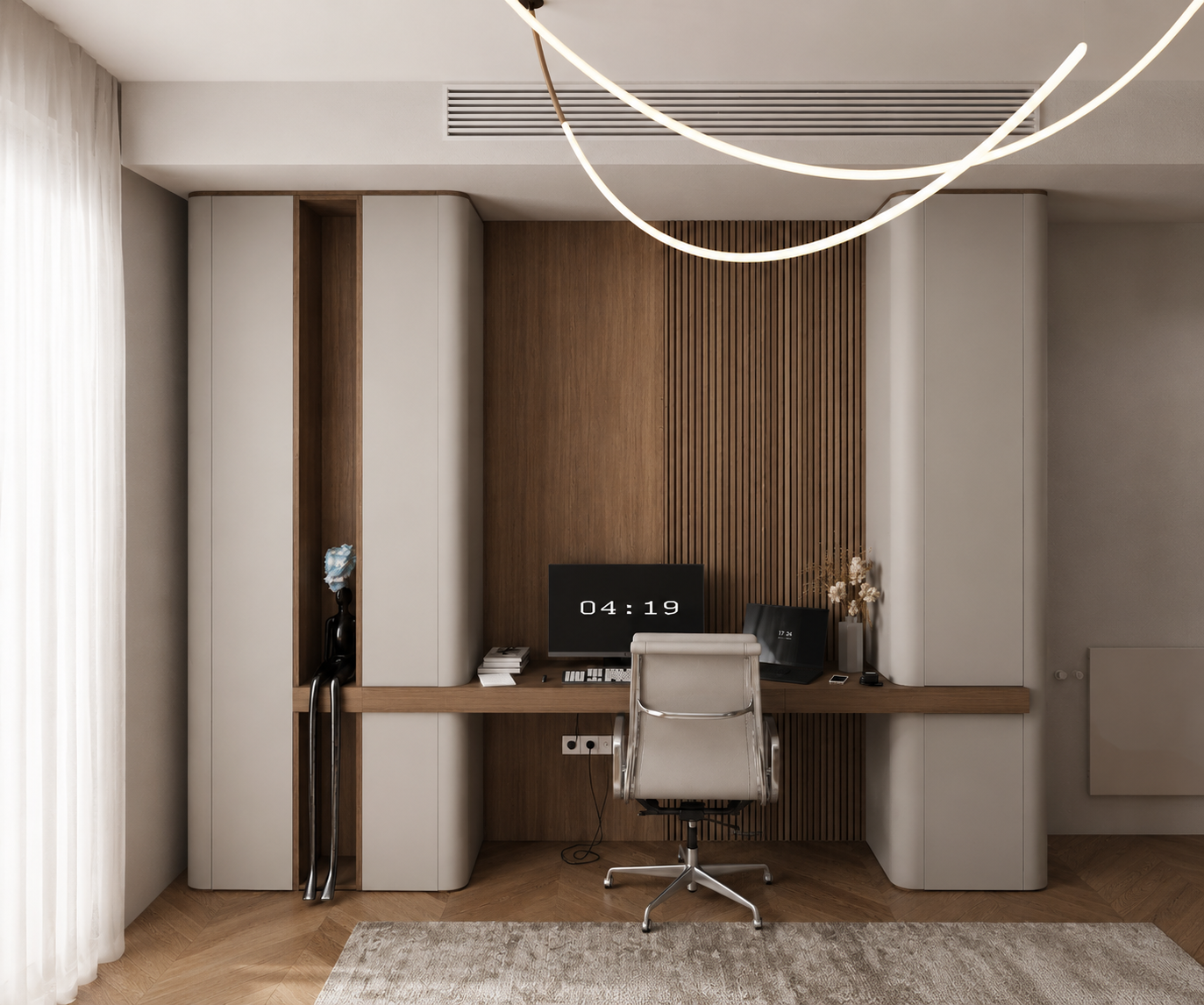
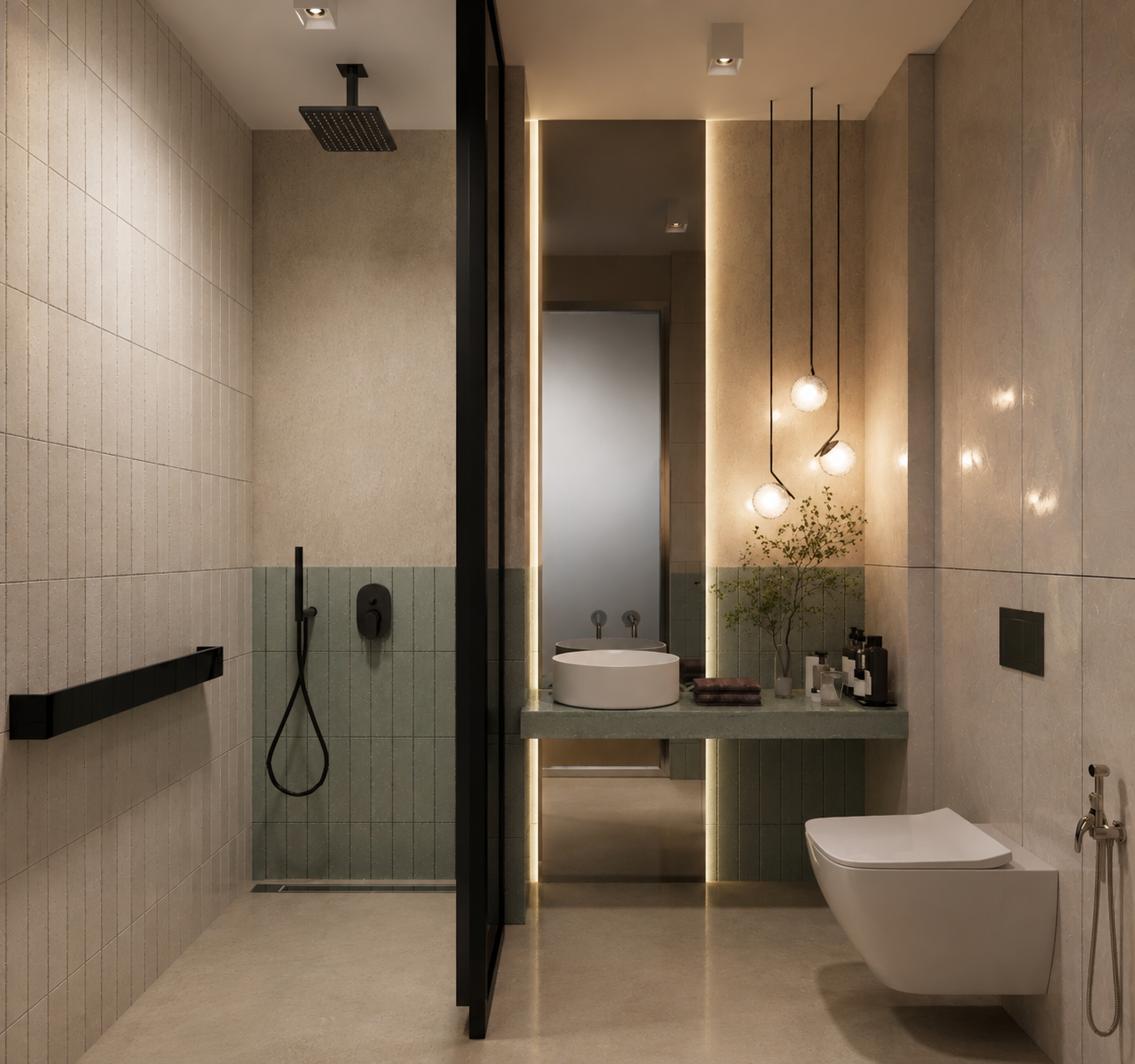
Once the plan was established, material selection, lighting, color, and architectural detailing were developed in response to the same spatial strategy. Natural materials and warmer elements were introduced alongside the clean and controlled lines of contemporary architecture, creating a balance between the two approaches without turning the interior into a literal combination of styles.
In this project, renovation was not simply about updating the appearance of an old house. It was an attempt to redefine the relationship between space, function, and everyday life.
The result is a home whose identity does not come from combining different styles, but from finding a balance between the occupants’ needs, the spatial structure, and the architectural language.
For us, design is complete when architecture is experienced in everyday life before it is simply seen.