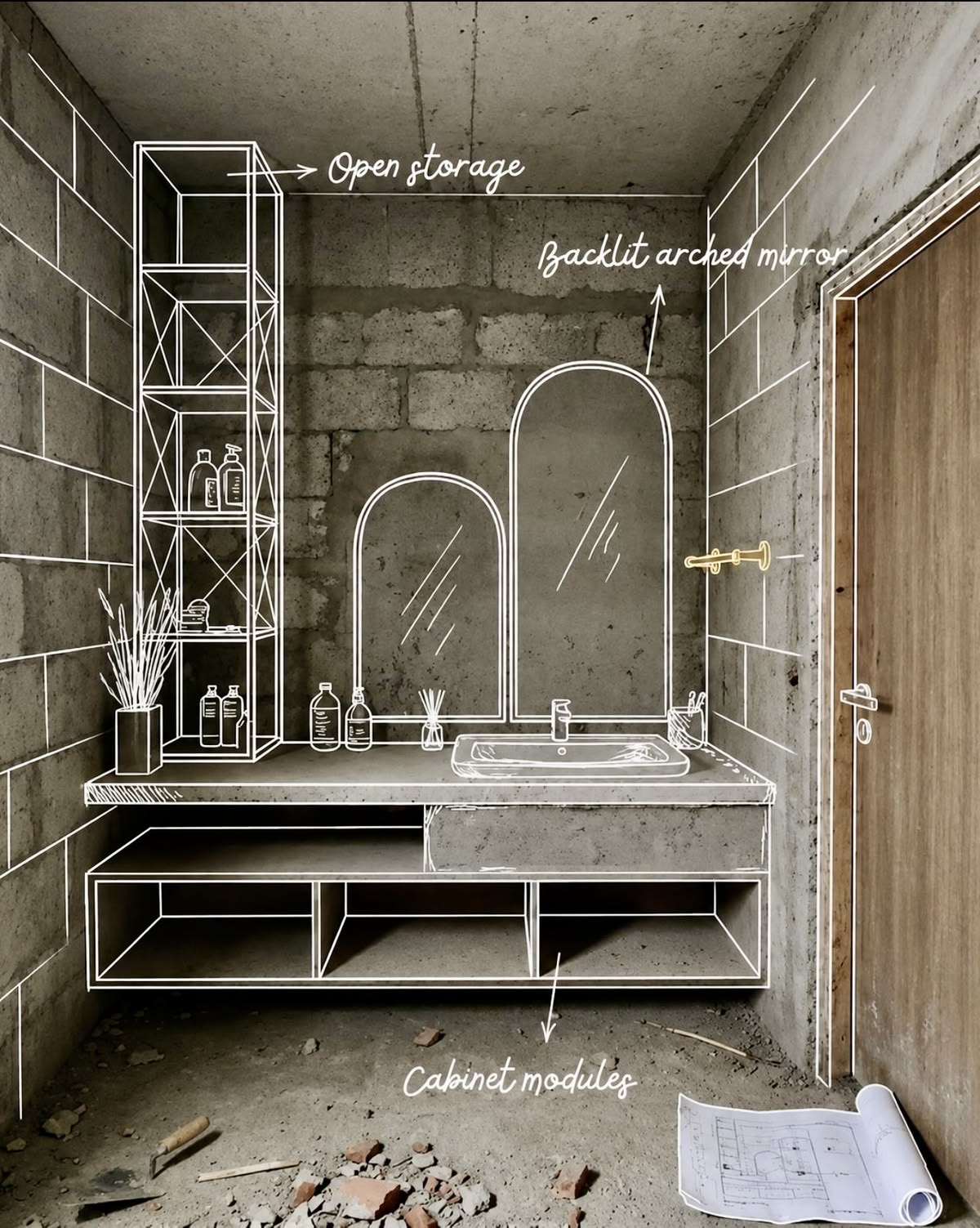
Building renovation is one of the most effective ways to increase property value while improving the quality of life for its occupants. Many older buildings are located in desirable areas and possess solid structural foundations; however, due to aging materials and outdated systems, they often require modernization and upgrades to meet current standards and expectations.
One of the primary benefits of renovation is extending the lifespan of a building. By replacing worn-out mechanical and electrical systems, reinforcing damaged structural components, and upgrading construction materials, property owners can prevent costly repairs in the future and ensure the long-term durability of the building.
Renovation also provides an excellent opportunity to enhance the visual appeal of a property. Updating interior layouts, incorporating modern materials, and redesigning building facades can completely transform the appearance of a structure. These improvements not only increase occupant satisfaction but also make the property more attractive to potential buyers and investors.
In addition to aesthetic improvements, renovation can significantly improve the functionality of a building. Older properties are often designed according to outdated lifestyle requirements and may not efficiently utilize available space. Through thoughtful redesign and space planning, renovation can create more practical, comfortable, and user-friendly environments that better suit contemporary living and working needs.
Another important advantage of renovation is improved energy efficiency. Older buildings typically consume more energy due to inadequate insulation, outdated windows, and inefficient heating and cooling systems. Installing double-glazed windows, upgrading insulation, and incorporating modern energy-efficient technologies can substantially reduce energy consumption and lower monthly utility costs.
Renovation also plays a crucial role in enhancing building safety. Upgrading electrical wiring, plumbing systems, fire protection equipment, and structural elements can reduce potential hazards and create a safer environment for occupants. In many cases, these improvements help ensure compliance with current building regulations and safety standards.
From a financial perspective, renovation is often a more economical solution than constructing a new building from the ground up. While new construction can require significant investment, renovation allows property owners to preserve valuable existing structures while integrating modern features and amenities. This approach can deliver substantial returns on investment without the expense and complexity of complete redevelopment.
Furthermore, renovating existing buildings contributes to environmental sustainability. By reusing structures and reducing demolition waste, renovation minimizes the environmental impact associated with new construction. This makes renovation an increasingly attractive option in an era where sustainable development has become a major priority within the architecture and construction industries.
For these reasons, many architects, designers, and real estate professionals consider renovation to be a smart long-term investment. It not only enhances living conditions and building performance but also increases the economic value of the property. When carefully planned and professionally executed, renovation can breathe new life into older buildings while preserving their character and maximizing their potential for future generations.
